 By Karan Singh
 Every Tuesday, before the sun is even fully up, thousands of Chennai residents board buses at Koyambedu headed for a small village temple most outsiders have never heard of. Siruvapuri Murugan Temple isn’t grand in scale, but it carries a reputation that pulls people in specifically for two things — blessings before buying or building a new home, and prayers for family harmony rooted in a centuries-old legend. If you’re planning a visit, the temple’s genuinely unusual midday closure and Tuesday-specific timing shifts are exactly the details that trip up first-timers, so here’s everything sorted before you go.
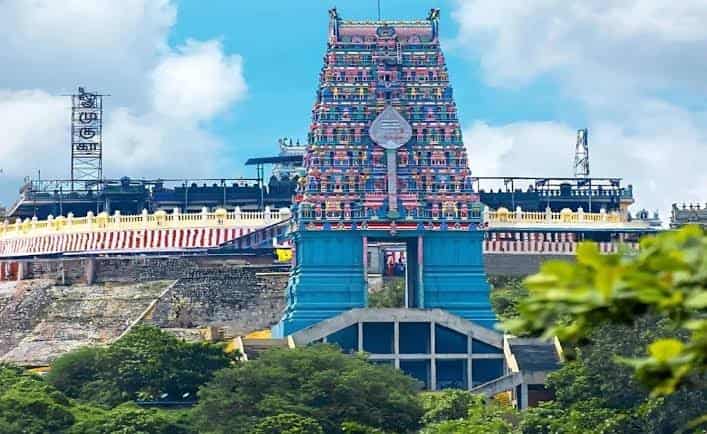
Siruvapuri Murugan Temple Quick Overview
| Detail | Information |
| Temple | Siruvapuri Murugan Temple (Sri Balasubrahmanyam Temple) |
| Deity | Lord Murugan (as Balamurugan, child form) |
| Location | Siruvapuri, near Chinnambedu, Thiruvallur District, Tamil Nadu |
| General Darshan Hours | 7:30 AM–12:00 PM, 4:30 PM onward |
| Midday Closure | 12:00 PM–4:30 PM |
| Entry Fee | Free |
| Individual Abhishekam | ₹500–₹750 |
| Distance from Chennai (Koyambedu) | ~40 km |
| Nearest Bus Stop | Chinnambedu (~1.6 km from temple) |
Temple Timings: Why the Midday Break Catches Visitors Off Guard
Siruvapuri Murugan Temple follows a genuinely structured daily rhythm built around specific poojas rather than continuous open access. The day begins with Kalasanthi Pooja at 7:00 AM, followed by general darshan from 7:30 AM to 10:00 AM. Ucchikalam Pooja happens at 10:00 AM, with darshan resuming from 10:30 AM to 12:00 PM.
Here’s the detail that genuinely surprises first-time visitors: the temple closes completely from 12:00 PM to 4:30 PM — a longer midday break than most Tamil Nadu temples observe. If you’re planning a day trip from Chennai and hoping to arrive around lunchtime, you’ll find the gates shut for a solid four and a half hours. Sayaraksha Pooja marks the evening reopening around 4:30 PM to 5:00 PM.
Tuesday works completely differently. Given Tuesday’s special significance for Lord Murugan, the temple opens considerably earlier and extends its hours to accommodate the much larger devotee turnout — this is genuinely the busiest day of the week here, and if you want the full festive atmosphere with larger crowds, Tuesday delivers it. If you’d rather avoid the rush, steer clear of this day entirely.
Sunday also shifts slightly, opening about an hour earlier than regular weekdays and closing a touch earlier for the morning session, adjusted specifically to handle weekend footfall.
Best time for a peaceful visit: Weekday mornings between 6:00 AM and 7:30 AM, or weekday evenings between 4:00 PM and 5:30 PM, are consistently described as the least crowded windows. Avoid Tuesdays and major Murugan festivals — Skanda Sashti, Thaipusam, Panguni Uthiram, and Vaikasi Visakam — if a quiet, unhurried darshan matters more to you than the celebratory crowd energy these days bring.
Why Devotees Specifically Come Here: The Legends Behind Siruvapuri
Understanding the temple’s name and history genuinely explains why people travel here for very specific life requests rather than general blessings.
The name “Siruvapuri” breaks down from Tamil as Siruvar (children) + Por (war) + Puri (place) — “the place of the children’s battle.” According to the Sthala Purana, when Lord Rama passed through this region after the Ramayana, his own sons Lava and Kush, who didn’t recognize their father, challenged him to battle right here.
A second, equally significant legend explains the temple’s association with home-buying prayers. A devoted woman named Murugamma prayed to Siruvapuri Murugan with unwavering dedication. Her husband, angered by her devotion, cut off her hands — but Lord Murugan, moved by her unbreakable faith, miraculously restored them. Because of this story, devotees planning to build or buy a new home specifically travel to Siruvapuri to seek blessings before making that decision, a tradition that continues strongly today.
The 14th-century saint-poet Arunagirinathar also visited Siruvapuri multiple times and composed devotional songs here as part of his famous Thiruppugazh collection — verses still chanted during the temple’s daily abhishekam rituals.
Abhishekam: Pricing and Booking
Abhishekam at Siruvapuri is genuinely central to why most devotees make the trip, with locals specifically believing it holds power for marriage alliances, child boons, career growth, and resolving family disputes.
Individual Abhishekam costs between ₹500 and ₹750 depending on the materials included. Special Abhishekam on Tuesdays and Fridays runs higher, from ₹1,000 to ₹1,500, given the added significance of these days. For those wanting a more affordable shared option, Group Abhishekam, split among 5 to 10 families, starts from as little as ₹200 per family.
On major festival days like Panguni Uthiram, Skanda Sashti, and Karthigai Deepam, abhishekam booking charges may run slightly higher given the significantly larger crowds these occasions draw.
Booking process: Online booking, where available, runs through the Tamil Nadu HR&CE department portal or authorized booking partners — select Siruvapuri Murugan Temple from the temple list and choose Abhishekam from the available poojas. That said, online booking for abhishekam here isn’t always consistently available, and the more reliable approach, especially on Tuesdays and festival days, remains in-person counter booking at the temple office. If you’re specifically hoping to perform abhishekam, arriving early and booking directly at the counter genuinely reduces the risk of missing out.
Proxy Abhishekam is also available for devotees who can’t attend in person — you pay online, provide your details, and the temple couriers prasadam to your home afterward, a genuinely useful option for those living far from Chennai or abroad who still want to participate in the ritual.
Vel Abhishekam, a special worship dedicated to Murugan’s weapon, is locally believed to help remove obstacles related to enemies and legal troubles — worth asking about specifically if this applies to your situation.
Dress Code and Practical Tips
Traditional Indian attire is recommended throughout your visit, in keeping with standard South Indian temple etiquette.
If you’re combining darshan with abhishekam, arrive early — ideally right at the 7:00 AM Kalasanthi Pooja opening — since booking happens at the temple counter and slots can fill up faster than expected, particularly on Tuesdays. Parking and puja material sellers are available near the temple entrance for last-minute preparations.
Location: Where Exactly Is the Temple?
Siruvapuri Murugan Temple sits in the village of Siruvapuri, close to Chinnambedu, within Thiruvallur District, roughly 40 km from central Chennai. Despite its relatively modest scale compared to major South Indian temples, its Dravidian architecture and gopuram carry genuine historical weight, with the temple’s roots tracing back centuries.
The temple’s proximity to Chennai makes it a popular half-day or full-day trip for city residents, and it’s often combined with other regional attractions like Kanchipuram’s temples, Thiruvallur’s Veeraraghava Perumal Temple, or Pulicat Lake for a fuller day out.
How to Reach Siruvapuri Murugan Temple
By Road
Direct MTC buses run from CMBT (Koyambedu Mofussil Bus Terminus) in Chennai to Siruvapuri, with fares around ₹27 — genuinely the most budget-friendly and commonly used route among regular devotees. Buses, autos, and taxis are also readily available from Chennai, Red Hills, and Ponneri.
Chinnambedu Bus Station is the nearest major stop, just 1.6 km from the temple. From there, an auto-rickshaw covers the remaining distance in 10 to 15 minutes, typically costing ₹30 to ₹50.
By Rail
Ponneri Railway Station is the closest railhead, roughly 14 to 16 km from the temple. From Ponneri, a taxi or local bus completes the onward journey.
By Air
Chennai International Airport is the nearest, about 52 km from the temple. From the airport, a taxi typically costs ₹700 to ₹1,000 for the trip out to Siruvapuri.
Frequently Asked Questions
Q1. We’re planning to arrive around 1 PM on a weekday — will the temple be open?
No, the temple observes a substantial midday closure from 12:00 PM to 4:30 PM every day (with slightly different timing on Tuesdays and Sundays), so arriving at 1 PM means waiting outside for over three hours. Plan your visit for the 7:30 AM–12:00 PM morning window or after 4:30 PM in the evening instead.
Q2. Is it worth specifically visiting on a Tuesday, or does the crowd make it not worthwhile?
Tuesday is genuinely the most spiritually significant day here given Murugan’s special association with it, and the temple extends its hours considerably to accommodate the larger crowd. If you’re drawn to a lively, community-centered devotional atmosphere and don’t mind longer waits, Tuesday delivers that experience fully — but if a calm, quick darshan is your priority, a regular weekday works better.
Q3. We want to book abhishekam but live outside Chennai — is there a way to participate without traveling?
Yes, the temple offers Proxy Abhishekam specifically for this situation — you complete the booking and provide your details online, and the temple couriers prasadam to your home address afterward. This is a genuinely practical option for devotees who can’t make the trip but still want the ritual performed on their behalf.
Q4. We’re planning to seek blessings before buying a new home — is there a specific ritual we should ask for?
While there’s no single named ritual exclusively for this purpose, most devotees performing this prayer opt for Individual or Special Abhishekam (₹500–₹1,500 depending on the day), given the temple’s strong local association with home-buying blessings tied to the Murugamma legend. It’s worth mentioning your specific intention to the priest at the counter when booking, since they can guide you toward the most appropriate offering for your request.