 By Karan Singh
 If you’ve ever heard a family member mention “Sarpa Dosha” while discussing why something in life isn’t working out, chances are Kukke Subramanya came up in the same conversation. Tucked deep in Karnataka’s Western Ghats, this temple has built a reputation few others can match — it’s the destination people travel to specifically for relief from serpent-related doshas, delayed marriages, and unexplained obstacles in life. But between the strict dress code, the two-day ritual bookings, and the genuinely remote location, this isn’t a temple you show up to unprepared. Here’s what actually matters before you go.
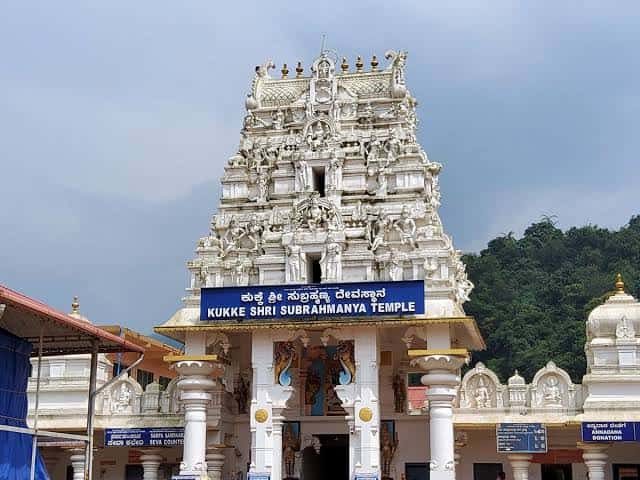
Quick Overview
| Detail | Information |
| Temple | Kukke Shree Subrahmanya Temple |
| Deity | Lord Subramanya (Kartikeya) with Serpent King Vasuki |
| Location | Subramanya village, Sullia Taluk, Dakshina Kannada District, Karnataka |
| Temple Hours | 5:00 AM – 9:00 PM |
| Morning Darshan | 6:00 AM – 1:30 PM |
| Evening Darshan | 3:30 PM – 8:30 PM |
| General Darshan Fee | Free |
| Special Darshan | ₹100 |
| VIP Darshan | ₹250 |
| Nearest Railway Station | Subrahmanya Road (~6 km) |
| Distance from Bangalore | ~271 km (5–6 hours by road) |
Temple Timings: Morning and Evening Sessions
Kukke Subramanya Temple opens its gates at 5:00 AM and stays operational until 9:00 PM, but darshan itself runs in two distinct blocks within that window.
Morning darshan runs from 6:00 AM to 1:30 PM, and evening darshan picks up again from 3:30 PM to 8:30 PM. Unlike many temples with a rigid midday closure, the gap here is shorter and less strict — still, it’s worth planning your visit around these two windows rather than assuming continuous access throughout the day.
The temple operates every single day of the year, including all public holidays, weekends, and major festivals, with extended hours during events like Champa Shashti.
Best time for the shortest wait: Visit on a weekday — Tuesday, Wednesday, or Thursday specifically — and arrive by 7:00 AM right when general darshan opens. The queue is genuinely shortest between 7:00 AM and 8:00 AM, before the day’s crowd builds. Avoid Ashlesha Nakshatra days entirely if you’re not specifically there for Ashlesha Bali, since these monthly dates draw heavy crowds for that exact ritual.
Darshan Ticket Types and Pricing
General darshan is completely free, and it’s how most pilgrims experience the temple. That said, be realistic about timing — waits can run 1 to 3 hours during peak periods, so “free” doesn’t necessarily mean “quick.”
For those wanting faster access, two paid options exist:
- Special Entry Darshan — ₹100, gets you into a separate, faster queue
- VIP Darshan — ₹250, the shortest wait with the closest and longest viewing of the main deity through a priority entrance closer to the sanctum
VIP darshan tickets are limited in number each day, so advance booking through the temple’s eSeva portal is genuinely worth doing if you’re visiting on a weekend or during festival season, when tickets can sell out.
Sarpa Dosha Rituals: What Kukke Is Actually Famous For
This is the part that draws people from across India, not just Karnataka. Kukke Subramanya is renowned specifically for Sarpa Dosha Nivarana — remedies for serpent-related afflictions in a person’s horoscope.
Sarpa Samskara is the most comprehensive ritual, spanning two full days and costing approximately ₹4,200 per devotee. Day one begins at 7:00 AM with rituals at the nearby Adi Subramanya Temple, including Ganapathi Puja and preparatory homam. Day two starts at 6:30–7:00 AM with the main rituals at Kukke Subramanya itself — Maha Sankalpa, Naga Puja, Sarpa Homam, and concluding Abhisheka. This ritual cannot be booked at the counter; it must be reserved in advance through the official eSeva portal (eseva.kukke.org), and given limited daily slots, booking 30 to 90 days ahead is strongly recommended.
Ashlesha Bali, a shorter monthly ritual, costs around ₹400 per person or couple and is performed specifically on Ashlesha Nakshatra days each month. Unlike Sarpa Samskara, this one is counter-only and booked same-day — you can’t reserve it online in advance.
Most devotees also take a holy dip in the Kumaradhara River before darshan, a tradition considered part of the complete pilgrimage experience here, not just an optional extra.
Dress Code: The Strictest Part of Visiting Kukke
Kukke Subramanya enforces one of the strictest dress codes among South Indian temples, and the rules genuinely differ between the outer complex and the inner sanctum.
For men: Inside the sanctum and darshan queue, going bare-chested is mandatory — no shirts, t-shirts, or vests permitted at all, with zero exceptions. Below the waist, a dhoti or mundu is preferred, though full-length pants are acceptable. A shirt is fine in the outer complex, but it must come off before joining the darshan queue itself.
For women: Traditional sarees are most preferred, though half-sarees, salwar kameez with dupatta, and churidar with a long kurta are all acceptable.
This rule catches a surprising number of first-time male visitors off guard — arriving in a shirt assuming it’s fine, only to have to remove it right at the queue entry point. Plan for this in advance rather than discovering it on the spot.
Location: Where Exactly Is the Temple?
Kukke Shree Subrahmanya Temple sits in Subramanya village, within Sullia Taluk of Dakshina Kannada District, Karnataka, right on the banks of the sacred Kumaradhara River, deep within the Western Ghats forest belt.
What makes the setting genuinely distinctive is the temple’s orientation — the main deity faces west, which is uncommon among Hindu temples, most of which face east. Combined with the surrounding Western Ghats forest and the river running alongside, the location itself carries a different atmosphere from the more urban temple towns most pilgrims are used to.
How to Reach Kukke Subramanya Temple
By Road
From Bangalore, the temple is roughly 271 km away, typically a 5 to 6 hour drive via NH75 through Hassan and Sakleshpur. KSRTC and private buses run this route daily, making road travel the most common way pilgrims arrive.
By Rail
Subrahmanya Road railway station is the nearest, about 6 km from the temple. From the station, taxis and autos cover the remaining distance in roughly 15 to 20 minutes.
Given the remote Western Ghats location, it’s worth noting that connectivity here is genuinely less developed than at more urban temple destinations — plan extra buffer time into your journey, especially if you’re combining this trip with another site like Dharmasthala.
Frequently Asked Questions
Q1. We want to do Sarpa Samskara but only found out about it a week before our planned trip — is that enough time?
Not ideally. Sarpa Samskara has limited daily slots and genuinely fills up 30 to 90 days in advance, especially around auspicious periods like Nag Panchami or Shravan Maas. If your trip is only a week out, check the eSeva portal for any last-minute cancellations, but have Ashlesha Bali as your backup plan since it’s a same-day counter booking instead.
Q2. My husband forgot that shirts aren’t allowed in the sanctum — is there somewhere nearby to store belongings?
Yes, this is common enough that the temple complex has arrangements for it. Shirts and upper garments simply need to come off before the darshan queue, and most visitors either hand belongings to a family member waiting outside or use available storage near the queue entrance — it’s a routine part of the process here, not something that will delay your visit significantly.
Q3. We’re an elderly couple — is there any special assistance for people who can’t stand in long queues?
Yes. The temple maintains a dedicated queue for senior citizens (65+), differently-abled visitors, and pregnant women, along with step-free access to the sanctum via the southern entrance. It’s worth mentioning your requirement at the entrance so you’re directed to the correct line rather than joining the general queue by default.
Q4. Is it worth combining this trip with Dharmasthala, or should we treat them as separate visits?
Many pilgrims do combine the two since they’re within a reasonable driving distance of each other in the same region, and it’s a well-established pilgrimage circuit. Just budget the trip as a proper two-day itinerary rather than trying to rush both temples into a single day, given how much ritual and travel time each site genuinely requires.