 By Karan Singh
 Delhi throws a lot at first-time visitors — Red Fort tickets, Qutub Minar queues, India Gate crowds, everyone selling something at every gate. Then you reach Lotus Temple, and it’s completely different. No ticket counter. No hawkers pushing souvenirs at the entrance. Just 27 white marble petals and a hall where thousands of people sit in genuine silence every single day. If you’re planning a Delhi trip and want one stop that actually gives you a break from the noise instead of adding to it, this is it — and knowing the timing rules in advance means you don’t waste a trip showing up on the one day it’s shut.
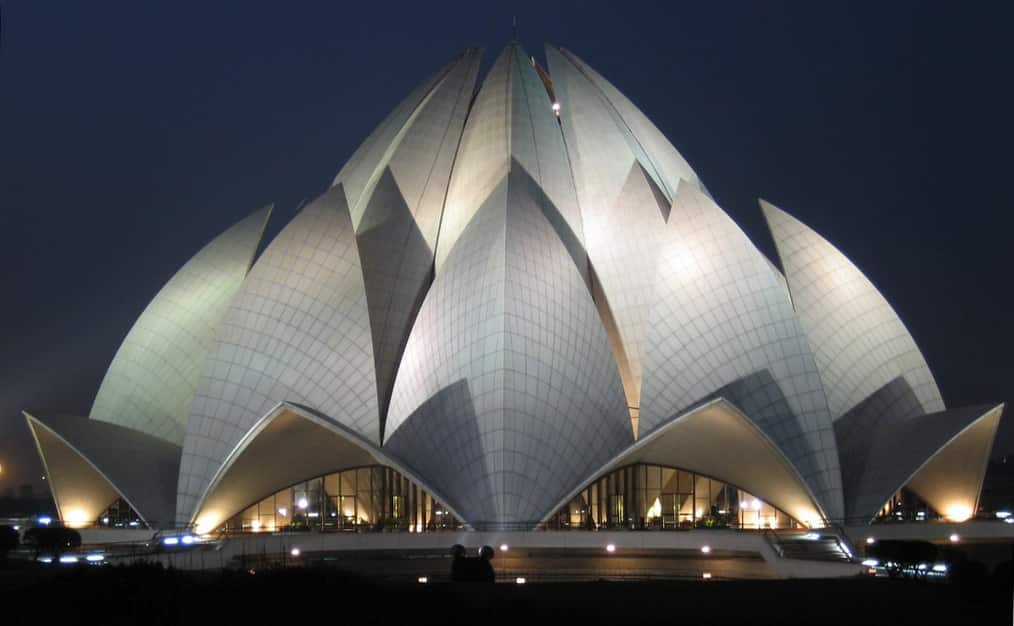
Quick Overview
| Detail | Information |
| Official Name | Bahá’í House of Worship, New Delhi |
| Location | Lotus Temple Road, Bahapur, Kalkaji, New Delhi – 110019 |
| Entry Fee | Free for everyone |
| Summer Timings (April–September) | 9:00 AM – 7:00 PM |
| Winter Timings (October–March) | 9:00 AM – 5:30 PM |
| Weekly Off | Closed every Monday |
| Nearest Metro | Kalkaji Mandir (Violet Line + Magenta Line) – ~400–500 m |
| Nearest Airport | Indira Gandhi International Airport (~15.5 km) |
| Nearest Railway Station | New Delhi Railway Station (~15 km) |
Temple Timings: What You Need to Get Right
Lotus Temple runs on a simple two-season schedule. From April to September, it’s open 9:00 AM to 7:00 PM. From October to March, it closes earlier, at 5:30 PM. Both seasons open at the same time — 9:00 AM — so the only thing that shifts is your closing-time cutoff.
The one rule that trips up more visitors than anything else: the temple is closed every Monday, no exceptions, for weekly maintenance and cleaning. If your Delhi itinerary has any flexibility at all, just avoid Monday entirely for this stop.
Entry typically stops 30 to 45 minutes before the official closing time, so if you’re aiming for a winter evening visit, plan to arrive by around 4:45 PM rather than cutting it close to 5:30 PM.
Best time to visit: Early morning right at opening (9:00–10:30 AM) sees the smallest crowds and the calmest atmosphere inside the prayer hall. Late afternoon, especially in summer between 4:00 PM and 6:00 PM, gives you golden-hour light on the white marble, which photographs beautifully. Weekend late mornings to early afternoons are the busiest stretch — worth avoiding if a peaceful visit matters more to you than convenience.
Entry Fee and Visitor Rules
There’s no ticket, no booking, and no entry fee of any kind — this applies equally to Indian citizens, foreign tourists, and visitors of any religion or background. You simply walk in through one of the nine entrance paths during opening hours.
A donation box is available near the entrance if you’d like to contribute toward the temple’s upkeep, but this is entirely optional and nobody will ask you for it.
Once you’re inside, a few rules matter:
- Silence is mandatory inside the prayer hall — no talking, and phones should be on silent.
- No photography inside the prayer hall itself, though the gardens, reflecting pools, and exterior architecture are completely fair game for photos.
- Footwear comes off before entering — and if you’re visiting in peak summer, carry socks, since the marble underfoot can get genuinely hot by midday.
- No large bags inside the hall — smaller bags are fine, but leave anything bulky at the footwear counter.
- Modest clothing is expected, though there’s no strict enforced dress code the way there is at many Hindu temples — avoiding shorts or sleeveless tops is simply respectful given the spiritual setting.
Location: Where Exactly Is Lotus Temple?
Lotus Temple sits on Lotus Temple Road in the Bahapur area of Kalkaji, South Delhi — right next to the well-known Kalkaji Mandir, one of Delhi’s most significant Kali temples. The two sites sit close enough that many visitors combine both in a single trip, moving from one to the other in just a few minutes on foot.
What makes this particular pocket of South Delhi convenient is how tightly everything clusters together — Nehru Place’s electronics market is barely 1.5 km away, and both ISKCON Temple and Humayun’s Tomb sit within a short cab ride, making it easy to build a half-day itinerary around this one area.
How to Reach Lotus Temple
By Metro
This is genuinely the easiest way in. Kalkaji Mandir Metro Station serves both the Violet Line and Magenta Line, sitting just 400 to 500 metres from the temple’s main entrance — about a five-minute walk. If you’re coming via the Magenta Line (Botanical Garden to Janakpuri West), use Exit 1. On the Violet Line (Kashmere Gate to Raja Nahar Singh), take Exit 4. Both exits open directly onto the road with a clear walking path to the temple gate.
By Road
The temple sits on Lotus Temple Road, and setting “Lotus Temple Delhi” on Google Maps, Ola, or Uber gets you there without confusion. Auto-rickshaws, DTC buses, and cabs all serve the area regularly, with a bus stop specifically named “Lotus Temple” or “Kalkaji Temple” nearby.
By Air
Indira Gandhi International Airport is about 15.5 km away, making this an easy add-on if you’re arriving in Delhi and heading straight into the city.
By Rail
New Delhi Railway Station is roughly 15 km from the temple, connected onward by metro or cab.
Frequently Asked Questions
Q1. We’re landing in Delhi on a Monday afternoon with just one full day free — will we miss it entirely?
If Monday is truly your only free day, unfortunately yes — the temple is closed with no exceptions for weekly maintenance. Your best option is to shift Lotus Temple to whichever adjacent day you do have available, even if it means rearranging the rest of your itinerary slightly.
Q2. Is there any way to skip the crowd during peak tourist season without paying for a VIP option?
There’s no VIP or paid fast-track entry here — everyone goes through the same experience regardless of status. Your real lever is timing: arrive right at 9:00 AM opening or in the last hour before closing, both of which see noticeably thinner crowds than the late-morning to afternoon stretch.
Q3. We’re visiting with young kids — will the mandatory silence rule be a problem?
Children are welcome, and the silence expectation is more about general calm than rigid strictness — quiet talking or a fidgety toddler won’t get you removed. That said, if your kids struggle with sitting still and silent, keep your time inside the hall brief and let them enjoy the gardens and reflecting pools outside, where normal conversation is completely fine.