 By Karan Singh
 If you’ve already read about Nanjangud’s timings and how to reach the temple, this piece takes a different route — into what actually happens once you’re inside. Most visitors show up knowing the gates open at 6 AM, but far fewer understand the web of abhishekams, sevas, and offerings that make Nanjangud genuinely different from a typical Shiva temple visit. Given its reputation as “Dakshina Kashi” and its centuries-old association with healing, the rituals here carry weight that goes well beyond a quick darshan — and knowing which seva to choose, when to book it, and what it actually involves can shape your entire experience.
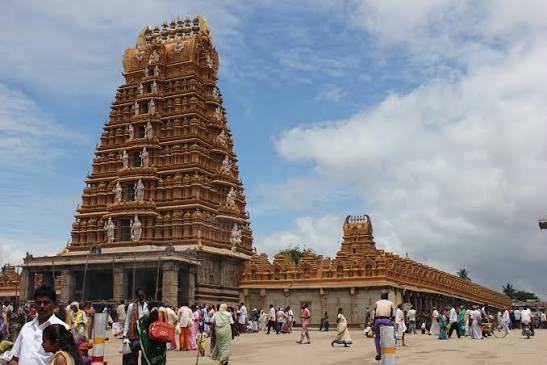
Why People Specifically Travel to Nanjangud for Healing
Srikanteshwara Temple’s healing reputation isn’t just folklore passed down casually — it’s tied to a documented historical episode. Hyder Ali, the Mysore ruler, is said to have referred to the deity as “Hakim Nanjunda” after temple tirtha reportedly cured his ailing elephant. That single incident cemented Nanjangud’s identity as a place devotees turn to specifically for chronic illness and deep-rooted obstacles, not just general blessings.
This healing focus shapes the temple’s entire seva ecosystem. Unlike temples built primarily around darshan queues, Nanjangud offers a genuinely wide menu of rituals designed around recovery, protection, and life milestones — which is exactly why understanding them before you go matters more here than at most other shrines.
The Abhishekam Schedule: Six Rituals, Six Different Meanings
Nanjangud performs abhishekam to the Shiva lingam multiple times daily, and each one carries its own significance:
- Usha Kala Abhishekam — 6:30 AM, the day’s opening ritual
- Pratha Kala Abhishekam — 9:00 AM
- Sangama Kala Abhishekam — 11:00 AM
- Madhyana Kala Abhishekam — 12:00 PM
- Pradosha Kala Abhishekam — 6:30 PM, considered especially powerful given Pradosha’s traditional significance in Shiva worship
- Ekanta Kala Abhishekam — 8:00 PM, the closing ritual of the day
If you’re visiting with a specific intention — say, praying for a health recovery or a delayed life event — timing your visit around Pradosha Kala or Ekanta Kala rather than a random midday slot genuinely changes the spiritual weight many devotees attach to the experience.
Darshan Ticket Types: What You Actually Pay For
General entry remains free, and this is how most pilgrims experience Nanjangud on a regular day. For those wanting a faster route through, Special Darshan tickets cost around ₹100 per person, typically including prasadam and offering noticeably quicker access than the general queue.
Beyond standard darshan, a few offerings are worth knowing specifically:
Tulabhara — a traditional weighing ritual where devotees are weighed against items like fruits, grains, or sweets as an offering — is available daily from 8:00 AM to 1:00 PM and again from 4:30 PM to 8:00 PM, priced at roughly ₹50.
Hair offering (Mundan) can be performed between 5:00 AM and 6:00 PM, a common practice among families fulfilling vows made during difficult periods.
Rudrabhishekam is frequently recommended by temple staff for devotees seeking specific outcomes, such as marriage-related prayers — a detail that comes up often enough among visiting families that it’s worth asking about directly at the counter if this applies to your situation.
The Manushya Roopa Offering: Nanjangud’s Most Distinctive Ritual
Few visitors arrive knowing about this, and it’s genuinely unique to Nanjangud’s healing tradition. Devotees can offer a silver idol shaped in human form (Manushya Roopa) specifically for prayers related to recovery from illness — a symbolic offering representing the person seeking to be healed. This isn’t something you’ll find replicated at most other Shiva temples, and it directly reflects Nanjangud’s centuries-old identity as a healing shrine rather than a purely devotional one.
Booking: What’s Available Online and What Isn’t
Here’s something worth knowing before you plan around online convenience — most day-to-day pooja bookings at Nanjangud happen directly at the temple counter on arrival, not through advance online reservation. Devotees can walk up and book most rituals same-day without prior scheduling, which is actually more flexible than temples requiring weeks of advance booking, but it also means you can’t guarantee availability from home for busier days.
During Mahashivaratri and other major festival periods, special darshan passes become harder to arrange, and based on visitor experiences shared around past festivals, online booking simply isn’t offered even during peak crowd days — everything runs through the physical counter, so building in extra time on arrival is genuinely necessary during these periods.
Dodda Jathre: When the Whole Town Comes Out
If your trip can align with it, the Dodda Jathre (Big Festival), typically held in March or April, transforms Nanjangud completely. Five elaborately carved wooden chariots — dedicated to Ganapathi, Srikanteshwara, Parvathi, Subramanya, and Chandikeshwara — are pulled through the old town’s narrow streets by thousands of devotees. The Gautama Ratha alone stands roughly 90 feet tall, and coordinating its movement requires hundreds of people working together.
Some devotees also perform Jagarana (an all-night vigil) during this festival, treating the night with the same intensity as Mahashivaratri itself. If you’re specifically drawn to communal, high-energy devotional experiences rather than a quiet individual darshan, timing your visit around Dodda Jathre offers something genuinely different from a standard temple trip.
Practical Tips for a Smoother Seva Experience
A holy dip in the Kapila River before darshan remains a common practice among devotees, particularly those visiting for health-related prayers — change rooms and toilet facilities are available right at the riverbank for this purpose.
Dress expectations lean traditional: men typically wear a dhoti with angavastram (note that several rituals specifically require removing the shirt), while women wear a saree, half-saree, or salwar kameez with a dupatta.
Darshan duration varies considerably by day — expect 10 to 15 minutes on a quiet weekday, 30 to 40 minutes on weekends, and considerably longer during festivals or Mondays, which carry special significance for Shiva worship.
Nanjangud’s temple management has also designated the complex and surrounding area a plastic-free zone, so plan accordingly if you’re carrying offerings or personal items.
Making the Most of Your Visit
Nanjangud rewards devotees who go in with a specific purpose rather than treating it as a quick stop on a broader Karnataka itinerary. Whether you’re there for a particular abhishekam timing, the Manushya Roopa healing offering, or simply want to experience Dodda Jathre’s collective energy, understanding these rituals in advance turns a routine darshan into something considerably more meaningful. Given how central healing and specific-intention worship are to this temple’s identity, spending a few extra minutes deciding which seva actually aligns with why you’re visiting is genuinely worth it.
Frequently Asked Questions
Q1. Can I book abhishekam or special sevas online before traveling to Nanjangud?
No, most sevas and pooja bookings at Nanjangud are handled directly at the temple counter upon arrival rather than through advance online reservation. This gives you flexibility to decide same-day, but it also means popular slots during festivals or Mondays can fill up, so arriving with some buffer time is wise.
Q2. What makes the Manushya Roopa offering different from a standard abhishekam?
The Manushya Roopa is a silver idol shaped like a human figure, offered specifically as a symbolic representation of someone seeking healing or recovery from illness. It’s tied directly to Nanjangud’s centuries-old reputation as a healing shrine and isn’t a ritual commonly found at other Shiva temples.
Q3. Is Pradosha Kala Abhishekam significantly different from the other daily abhishekams?
Pradosha Kala, performed around 6:30 PM, holds special traditional significance in Shiva worship generally, and many devotees specifically time their visit around this slot for that reason. That said, all six daily abhishekams follow the same core ritual structure — the difference is largely in the spiritual timing devotees attach to Pradosha rather than the ritual itself changing.
Q4. We want to perform Tulabhara for a family member — how does the pricing actually work?
Tulabhara costs approximately ₹50 and involves weighing the devotee against an offering item like fruits, grains, or sweets, available daily between 8:00 AM–1:00 PM and 4:30 PM–8:00 PM. It’s a walk-in ritual handled at the counter, so no advance booking is typically needed outside of major festival periods.
Q5. Is it worth timing our visit around Dodda Jathre, or does it make the temple too crowded for a peaceful darshan?
If your priority is a quiet, contemplative darshan, Dodda Jathre likely isn’t the right time given the massive crowds pulling five chariots through town. But if you’re interested in experiencing Nanjangud’s communal devotional energy and don’t mind the intensity, this festival offers something genuinely different from a standard visit and is worth the trade-off in crowd size.