 By Karan Singh
 For anyone in Chennai dealing with a stubborn problem — a stalled career, marriage troubles, an illness that won’t budge — chances are someone’s already told you to visit Vadapalani. This isn’t just another neighborhood temple; it’s earned its reputation as a place where devotees genuinely believe their prayers get answered quickly, built on a founder’s own story of healing through devotion. With roughly 7,000 weddings held here annually and a history rooted in one man’s dream-guided search for Murugan, Vadapalani offers something genuinely different from a routine darshan stop. Here’s everything you need before you go.
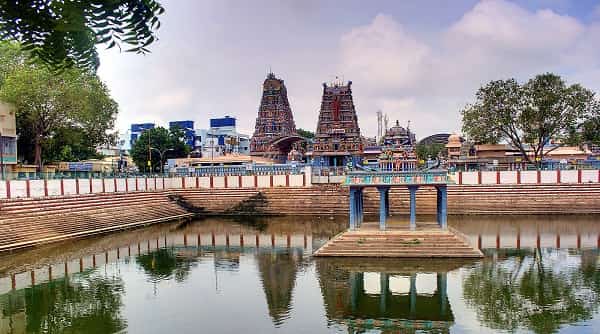
Vadapalani Murugan Temple Quick Overview
| Detail | Information |
| Temple | Arulmigu Vadapalani Murugan Temple (Vadapalani Andavar Temple) |
| Deity | Lord Murugan (resembling the Palani idol) |
| Location | Palani Andavar Koil St, Vadapalani, Chennai – 600026 |
| Morning Darshan | 5:00/5:30 AM – 12:30 PM |
| Evening Darshan | 4:00 PM – 9:00/9:30 PM |
| General Darshan Fee | Free |
| Special Darshan | ₹50 and ₹100 |
| Nearest Metro | Vadapalani Metro Station |
| Nearest Airport | Chennai International (~10–12 km) |
Temple Timings: The Two-Session Daily Schedule
Vadapalani Murugan Temple runs a consistent daily schedule across the entire week — morning darshan from around 5:00 AM to 12:30 PM, and evening darshan from 4:00 PM to 9:00 PM (some sources note closing slightly later, around 9:30 PM). Unlike temples with elaborate multi-block schedules, this remains fairly steady seven days a week, though it’s worth checking locally during festival periods since the temple often stays open continuously without the afternoon break.
Daily pooja schedule worth knowing:
- Palliyarai — 5:30 AM to 6:00 AM
- Kalasandhi — 6:30 AM to 6:45 AM
- Uchikkala — 12:00 PM to 12:30 PM
- Sayaraksha — 5:00 PM to 6:45 PM
- Ardhajama — 9:00 PM
Best time for a peaceful visit: October to March offers the most comfortable weather, with peak footfall typically between November and February. It’s genuinely worth avoiding the summer months of April to June, when Chennai’s heat makes outdoor movement between shrines uncomfortable. Early morning right at opening tends to see noticeably lighter crowds than the late morning or evening rush.
Darshan Ticket Types and Pricing
General darshan is completely free, and this remains how most devotees experience the temple — walking straight into the queue during either session without any advance booking.
For those wanting faster access, Special Darshan is available in two tiers, priced at ₹50 and ₹100, offering quicker movement through a separate line during busy periods. Special puja bookings can also be arranged through the temple’s official website for those wanting a more personalized ritual experience.
The Story Behind the Temple: Annaswamy Naikar’s Devotion
Understanding Vadapalani’s founding story genuinely changes how the temple feels once you’re inside. According to widely told temple legend, Annaswamy Naikar suffered from chronic stomach pain and traveled extensively across South India seeking both Murugan’s blessing and a cure. A sage appeared to him in a dream and told him, quite simply, to find the Lord in his own home rather than continuing his search elsewhere.
Following this guidance, Annaswamy began worshipping twice daily at home. In an act of extreme devotion, he’s said to have sacrificed his tongue at the Thiruthani shrine of Murugan — and this sacrifice reportedly cured his long-standing ailment. Later, returning from a pilgrimage to the original Palani temple (one of Murugan’s six sacred abodes), he found an image of the deity that moved him deeply, brought it home, and built a modest thatched shrine around 1890.
What transformed this small shrine into the sprawling temple complex you see today was Annaswamy’s reputation for “arul vaakku” — prophetic, healing pronouncements devotees believed offered genuine solutions to their marriage troubles, exam failures, unemployment, and illnesses. That reputation for problem-solving through devotion has carried through to today, which is exactly why so many visitors arrive with a specific, urgent request rather than a general blessing in mind.
What Makes the Idol and Temple Distinctive
Inside the sanctum, the presiding deity closely resembles the idol at the original Palani temple, standing in a posture that carries genuine symbolic weight. Two details stand out specifically: the Lord is depicted wearing footwear, symbolizing the shedding of arrogance, and he stands with one foot forward — according to legend, reflecting his eagerness to rush toward devotees in need.
The temple’s Rajagopuram, roughly 40 metres tall, is decorated with striking mythological figures from the Skanda Purana, and its eastern tower features 108 intricately carved Bharatanatyam dance gesture figures — a genuinely rare architectural detail worth pausing to appreciate rather than rushing past.
Beyond the main Murugan shrine, the temple courtyard houses numerous additional deities: Varasiddhi Vinayaka (Ganesha) at the southern entrance, Chokkanathar, Meenakshi Amman, Kali, Bhairava, and Shanmuga alongside his consorts Valli and Devasena. The inner Praharam includes niches for Dakshinamurthy, Chandikeshwar, and Mahalakshmi. There’s also a distinct shrine dedicated to Angaraka (Mars), since Murugan is considered the presiding deity of this planet in Hindu astrology.
The Teertham Ritual and the Sacred Fig Tree
Vadapalani carries a strong reputation as the “Healer of Diseases,” largely tied to its Teertham (holy water) ceremony. Devotees believe that taking this sacred water, or in some traditions a dip in the temple tank, can help cure ailments — a belief directly connected to the temple’s founding story of Annaswamy’s own healing.
A sacred fig tree within the complex serves as another focal point for devotees — many tie strings around its branches while praying for a specific wish to be fulfilled, a tradition you’ll notice practiced quietly by visitors throughout the day.
Dress Code and Practical Rules
Modest clothing covering the upper arms and legs is expected as a sign of respect. Men are encouraged toward a dhoti or pajama with an upper garment, or formal trousers and a shirt. Women should wear a saree or chudidar with a top covering. Mini-skirts, jeans, shorts, and sleeveless tops are best avoided while on temple grounds.
Photography is allowed throughout the temple complex, though not within the sanctum sanctorum itself — plenty of opportunity remains for capturing the gopuram and courtyard shrines.
Festivals Worth Planning Around
Thaipusam (January/February) and Panguni Uthiram (March/April) — the latter commemorating Murugan’s union with Valli and Devasena — both draw significant devotee turnout.
Vaikasi Brahmotsavam, an 11-day celebration during the Tamil month of Vaikasi (April/May), stands out as one of the temple’s grandest annual events. On the seventh day specifically, Lord Murugan is taken out in a golden chariot procession, an event that draws especially large crowds and genuinely vibrant festivities.
Other notable observances include Kandha Shasti, Udal Urchavam, and the Chithirai Tamil New Year celebration in April.
Location: Where Exactly Is the Temple?
Vadapalani Murugan Temple sits on Palani Andavar Koil Street in the Vadapalani neighborhood of Chennai, positioned between Koyambedu and Ashok Nagar. The name itself reflects a meaningful connection — since the idol here resembles the one at the original Palani temple in the south of Tamil Nadu, this shrine became known as “Vadapalani,” meaning Northern Palani, letting devotees who can’t make the journey south still receive equivalent blessings closer to home.
How to Reach Vadapalani Murugan Temple
By Metro: Vadapalani Metro Station is the nearest and most convenient option, connected to Chennai’s broader metro network, making this genuinely the easiest way to reach the temple if you’re already in the city.
By Rail: Chennai Central Railway Station sits roughly 8.5 to 11 km away depending on the exact route, about a 30 to 40-minute drive. Taxis and public transport connect the station to the temple easily.
By Air: Chennai International Airport is the nearest, approximately 10 to 12 km from the temple. Taxis and cabs are readily available for the onward journey.
By Road: The temple is well connected by road, roughly 9 to 10 km from Chennai’s city center, with taxis, autos, and public buses running regularly through the Vadapalani area.
Frequently Asked Questions
Q: We’re planning to get married at Vadapalani — how far in advance should we book the venue?
A: Given that roughly 7,000 marriages take place here annually, this is genuinely one of the busiest wedding venues in Chennai, so it’s worth contacting the temple administration well in advance, ideally several weeks to months ahead depending on your preferred date, especially around auspicious wedding seasons.
Q: Is the ₹100 Special Darshan noticeably faster than the free general queue on a normal day?
A: On a regular weekday, general darshan is usually manageable without a long wait, so the difference may feel modest. Special Darshan becomes genuinely more valuable during weekends, Thaipusam, or Vaikasi Brahmotsavam, when general queues stretch considerably longer given the temple’s popularity.
Q: We want to participate in the Teertham ritual specifically for health reasons — is this something we book in advance?
A: Based on how the temple typically operates, the Teertham holy water ceremony is generally accessible during regular darshan hours without requiring advance booking, though it’s worth confirming current arrangements with temple staff on arrival, particularly if you’re hoping for a specific ritual timing tied to this belief.
Q: Can we combine this visit with other Chennai temples in a single day without it feeling rushed?
A: Yes, given Vadapalani’s central location and metro connectivity, many visitors pair it with nearby attractions or other temples within Chennai. Plan your Vadapalani visit for the morning session before 12:30 PM, then use the extended midday gap common in South Indian temple schedules to explore elsewhere before returning for any evening rituals you specifically want to catch.