 By Saurav Mehra
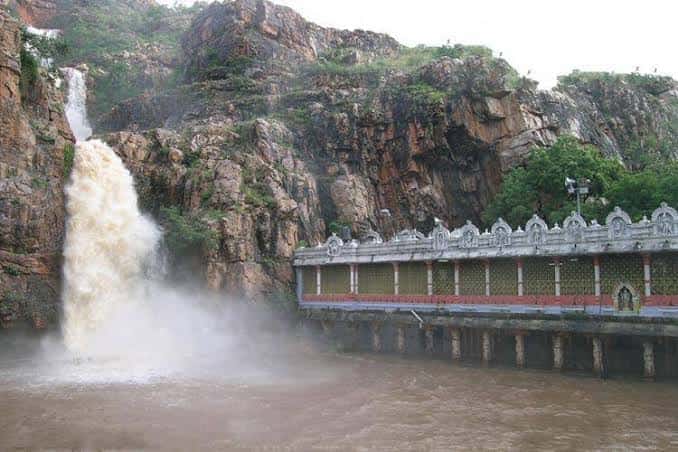
 Most pilgrims heading to Tirumala rush straight past a temple that traditional practice actually asks them to visit first. Kapila Theertham sits right on the road between Tirupati bus station and Alipiri — the starting point for the climb to Balaji’s hill — and it’s genuinely the only Shiva temple in a region otherwise devoted entirely to Vishnu worship. What makes it even more remarkable is the setting: a waterfall cascading over 100 feet from the Seshachalam hills, splashing directly into the temple’s sacred pond. If you’re planning your Tirupati pilgrimage, here’s why this stop genuinely deserves a place on your itinerary before you begin the journey up to Tirumala.
Quick Overview
| Detail | Information |
| Temple | Sri Kapileswara Swamy Temple (Kapila Theertham) |
| Deity | Lord Shiva (Swayambhu Kapileswara Lingam) |
| Location | Near Alipiri, Tirupati, Chittoor District, Andhra Pradesh – 517501 |
| Daily Timings | 5:00 AM–9:00 PM (sessions vary by source) |
| General Darshan | Free |
| Ticket During Crowded Times | Nominal fee (~₹5 in some accounts) |
| Distance from Tirupati Bus Stand | ~2 km |
| Managed By | Tirumala Tirupati Devasthanams (TTD) |
Temple Timings: What to Actually Expect
Kapila Theertham genuinely shows some inconsistency in published timings across sources — most commonly, the temple opens around 5:00 AM and closes somewhere between 8:00 PM and 9:00 PM, with darshan available across multiple daily sessions rather than one continuous stretch. Given this variance, it’s worth checking the current schedule locally or confirming with TTD’s official portal if your visit is tightly timed.
Key rituals worth knowing:
- Morning Abhishekam — around 6:00 AM–7:00 AM
- Evening Aarti — around 7:00 PM, when the devotional atmosphere genuinely intensifies with chanting
Best time for the waterfall specifically: August to December sees the strongest waterfall flow, particularly during and immediately after the monsoon season. If you’re visiting primarily for the natural spectacle rather than a quiet darshan, this window is genuinely worth prioritizing. For comfortable weather overall, November to February remains ideal.
Time to budget: Most visitors spend 1 to 1.5 hours here, covering darshan, waterfall viewing, and exploring the cave where Sage Kapila is believed to have meditated.
Entry: Mostly Free, With a Minimal Fee During Crowds
General darshan at Kapila Theertham is genuinely free most of the time. During busier periods, a nominal entry ticket may apply — historically cited around ₹5 — though this figure may have shifted, so it’s worth confirming current pricing on arrival rather than assuming a fixed cost.
Sevas: The temple conducts a range of daily, weekly, monthly, and annual sevas for Kapileswara Swamy, with select sevas bookable online through the official TTD or temple portal. Given how TTD manages this temple as part of its broader Tirupati network, checking ttdevasthanams.ap.gov.in for current seva costs and booking links is genuinely the most reliable approach.
The Legend Behind Kapila Theertham’s Name
Understanding this story genuinely adds meaning to a visit here. According to tradition, Sage Kapila Maharishi, a devoted follower of Lord Shiva, meditated intensely in a cave at this exact spot. Pleased by his unwavering devotion, Lord Shiva appeared before him alongside Goddess Parvati, granting him divine darshan. At the same moment, a Shiva Lingam is said to have emerged directly from the earth — a Swayambhu (self-manifested) form, which came to be worshipped as Kapileswara Swamy, named in honor of the sage.
This self-manifested origin is precisely why the temple carries such spiritual weight, distinct from temples where the deity was formally installed rather than naturally appearing. Goddess Kamakshi Devi is also worshipped alongside Kapileswara Swamy within the same complex.
The Waterfall: What Makes This Temple Genuinely Unique
This is the feature that sets Kapila Theertham apart from every other Tirupati-area temple. A natural waterfall, originating from the Seshachalam hills, drops over 100 feet directly into a large pond — the Pushkarini — situated within the temple premises. During the monsoon season, this waterfall flows with considerable force, creating a genuinely striking sight right at the heart of an active place of worship.
Taking a holy dip in this Pushkarini before continuing to Tirumala is a traditional practice many pilgrims follow, believed to purify them ahead of Lord Venkateswara’s darshan. If direct access under the falls isn’t available on a given day, bathing in the pushkarini itself is considered an acceptable alternative — and even simply sprinkling the sacred water on your head is treated as a meaningful gesture if a full dip isn’t practical.
A genuinely fascinating belief tied to Karthika Masam: according to temple tradition, on the full moon afternoon of this Hindu month, it’s believed that all sacred waters from the three worlds converge at Kapila Theertham. Devotees who bathe during this specific window are traditionally believed to wash away their sins entirely — a belief that draws considerably larger crowds specifically during this period each year.
A Temple With Centuries of Royal Patronage
Kapila Theertham’s exact founding date remains uncertain, but historical evidence suggests it existed well before the 13th century, with inscriptions at the site dating back to the 10th century. Over the centuries, the temple received patronage and support from the Pallava kings, the Tirumala Mahantas, and the Vijayanagara kings — a genuinely layered history reflecting continuous devotion across multiple South Indian dynasties.
Visitors are greeted at the entrance by a large stone statue of Nandi, Shiva’s bull vahana, standing watch before the sanctum — a striking first sight before you even reach the main shrine.
Dress Code and Practical Rules
For men: Pants with a shirt, or a dhoti/panche with pyjama or shirt.
For women: Saree, half-saree, or chudidar with a dupatta.
Not permitted: Night dresses and shorts for darshan, regardless of gender.
Practical tips: Carry a change of clothes if you’re planning to bathe under the waterfall or in the pushkarini. Keep your phone on silent mode inside the temple, and expect to queue for the main idol darshan even on relatively quiet days.
Free Meals and Other Facilities
An Anna Prasadam counter operates nearby at Sri Hygreevar Swamy Temple on Thiru Mada Street, serving free meals from 7:00 AM to 3:30 PM and again from 5:00 PM to 10:30 PM — genuinely convenient if you’re spending a full morning or evening in the area. Toilet facilities are available just outside the Kapileswara Swamy Temple.
Festivals Worth Planning Around
Maha Shivaratri, Karthika Deepam, and Vinayaka Chaturthi are all celebrated with considerable devotion at Kapila Theertham. Annabhishekam, a special ritual performed for Kapileswara Swamy, typically falls around Karthika Purnima or Aswayuja Poornima — worth checking the exact date with temple authorities if you specifically want to witness this ceremony, since sources show some variation on the precise day each year.
Location: Where Exactly Is the Temple?
Sri Kapileswara Swamy Temple sits at the foot of the Sheshadri (Seshachalam) hills, near Alipiri in Tirupati, Chittoor District, Andhra Pradesh. Its location genuinely matters for pilgrimage planning — the temple sits roughly midway between Tirupati’s main bus station and Alipiri, the traditional starting point for those choosing to walk up the hill steps to Tirumala. Many devotees specifically stop here first, completing darshan and a holy dip before beginning their ascent to Lord Venkateswara.
How to Reach Kapila Theertham Temple
By Road
The temple is just about 2 to 4 km from Tirupati Railway Station and Bus Stand, easily reached by shared or private auto-rickshaw, which run frequently on this route.
By Rail
Tirupati Railway Station serves as the main rail gateway, well connected to major South Indian cities, with autos readily available right outside for the short onward journey.
By Air
Tirupati Airport is the nearest, roughly 15 km away, with taxis available for the drive into the city and onward to Kapila Theertham.
From Tirumala: The temple sits about 25 km from the main Tirumala Balaji Temple, making it a natural stop either before beginning your climb or after descending, depending on how you sequence your pilgrimage.
Frequently Asked Questions
Q1. We’re planning to walk up the steps to Tirumala from Alipiri — should we visit Kapila Theertham before or after?
Traditional pilgrimage practice suggests visiting Kapila Theertham first, since it sits directly on the route between the bus station and Alipiri. Many devotees complete darshan and a holy dip here specifically as a purification step before beginning their climb to Lord Venkateswara.
Q2. We’re visiting in April — will the waterfall still be worth seeing, or should we wait for a different season?
April falls outside the strongest waterfall flow period, which typically runs from August through December, especially right after monsoon season. The temple and pushkarini remain fully accessible year-round, but if the waterfall itself is your primary reason for visiting, an August-to-December trip will show it in much fuller force.
Q3. Is it true that all sevas here are only bookable in person, or can we arrange something online before traveling from another city?
Select sevas can genuinely be booked online through the official TTD or temple portal, though availability and options may be more limited compared to Tirumala’s own booking system. Given some sources note booking details can change, it’s worth checking ttdevasthanams.ap.gov.in directly closer to your travel date for the most current options.
Q4. We want to take a holy dip during Karthika Masam’s full moon specifically — how much earlier should we plan our visit given the crowd?
Since this is considered one of the most spiritually significant bathing days at Kapila Theertham, expect considerably heavier crowds than a regular visit. Arriving well before the traditional afternoon window that this belief centers around, and building in extra time for queues at both the pushkarini and the main darshan line, genuinely helps avoid a rushed experience on this particular day.
 Karan Singh