 By Saurav Mehra
 There’s a temple in coastal Karnataka that sits entirely on a natural island in the middle of a river — and getting there genuinely feels like stepping into a different world, surrounded by water on all sides with hills rising in the distance. Kateel Durgaparameshwari Temple isn’t just another Mangalore day-trip stop; it’s considered one of India’s most powerful Shakti Peethas, and devotees travel here specifically believing the goddess herself chose this exact spot to end a devastating famine centuries ago. If you’re planning a visit, here’s exactly what you need to know before making the trip.
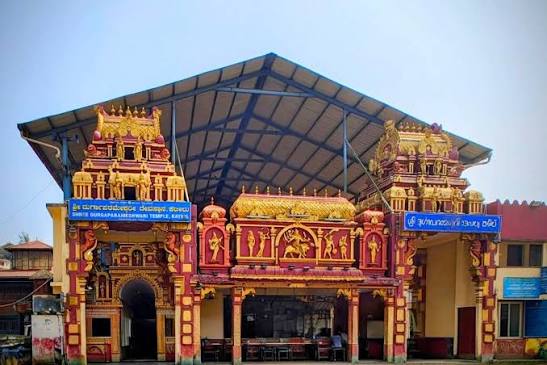
Quick Overview
| Detail | Information |
| Temple | Shree Durgaparameshwari Temple, Kateel |
| Deity | Goddess Durga Parameshwari (Bhramarambha) |
| Location | Kateel, Dakshina Kannada District, Karnataka – 574148 |
| Daily Timings | 5:00 AM–1:00 PM, 3:00 PM–9:00 PM |
| Entry Fee | Free |
| Distance from Mangalore | ~20–30 km |
| Nearest Airport | Mangalore International, Bajpe (~16 km) |
| Nearest Railway Station | Mulki (~11 km) / Mangalore Central (~18–26 km) |
Temple Timings: What to Actually Expect
Kateel Durgaparameshwari Temple generally opens around 5:00 AM and runs morning darshan through to about 1:00 PM, before closing for the afternoon and reopening at 3:00 PM through to 9:00 PM. Given some genuine variance across sources — a few cite broader overall hours from 4:00 AM to 10:00 PM — it’s worth treating early morning and evening as your safest planning windows rather than assuming continuous access throughout the day.
During Navaratri, the temple frequently extends its hours, sometimes staying open until midnight to accommodate the significantly larger crowds this nine-day festival draws.
Daily ritual schedule worth knowing:
- Morning worship — around 5:30 AM
- Midday worship — around 10:30 AM
- Mahapuja — around 12:30 PM
- Dusk worship — around 7:30 PM
- Rangapooja — around 8:30 PM, a ritual many visitors specifically make time to attend
Best time for a peaceful visit: Weekday early mornings offer genuinely the calmest darshan experience. February to September brings comfortable weather overall, though this coincides with monsoon season in coastal Karnataka, so plan for occasional rain if you’re visiting during the middle of this window.
Entry: Completely Free, No Ticket Required
General darshan at Kateel Durgaparameshwari Temple is entirely free, with no entry fee or ticket system for standard visits. This remains how the vast majority of devotees and visitors experience the temple.
Special poojas can be booked by contacting the temple administration directly, including Laksharchana, Abhishekam, Special Darshan, Homa/Havan, and several other rituals. Booking early is genuinely worth doing, particularly during Navaratri and other major festival periods when demand for specific sevas increases considerably.
The Legend Behind Kateel’s Founding
Understanding this story genuinely deepens the visit. According to tradition, a severe famine once struck the land, leaving it without rain for years and causing widespread suffering. Sage Jabali, deeply troubled by this crisis, used his divine vision to discover that the demon Arunasura — minister to the demons Shumbha and Nishumbha, who had earlier been slain by Goddess Durga — had escaped death through trickery and was now tormenting the gods of heaven, causing the rains to stop entirely.
Moved by Sage Jabali’s devotion and determination to end human suffering, Goddess Durga incarnated as Durgaparameshwari and vanquished Arunasura, restoring peace and prosperity to the land. The temple is believed to mark the exact spot where the Goddess appeared for this purpose, which is precisely why Kateel is regarded as a genuinely powerful Shakti Peetha today.
The name itself carries meaning too — “Kati” translates to waist, and “Ila” to earth, reflecting the belief that the deity rose at the “waist,” or middle point, of the sacred Nandini River, purifying it in the process.
Understanding the Goddess and the Temple’s Unique Island Setting
The presiding deity, Goddess Durga Parameshwari, also known as Bhramare or Bhramarambha, is depicted in a seated posture with four divine arms. What makes this temple genuinely distinctive among Karnataka’s Shakti shrines is its physical setting — the entire temple sits on a natural islet formed in the middle of the Nandini River, surrounded by water and scenic hills.
Beyond the main sanctum, the temple complex houses several other deities, including Rakteswari, Mahaganapati, Ayyappan, along with Kshetrabalas and Naga deities — giving devotees a fuller spiritual circuit within the same visit.
Yakshagana: The Temple’s Living Cultural Tradition
This is genuinely one of the most distinctive aspects of Kateel, and it’s worth knowing before your visit. Local belief holds that Goddess Durga Parameshwari has a particular fondness for music and dance, and the temple maintains a dedicated cultural troupe specifically for performing Yakshagana — a traditional Karnataka dance-drama form — illustrating the miracles and stories associated with the Goddess.
This isn’t merely entertainment for visitors; it’s treated as a genuine devotional seva called the Kateela Yakshagana Mela, where troupes of artists perform for devotees as an offering to the deity. If your visit coincides with a scheduled performance, it’s genuinely worth staying to watch, since this living tradition adds a cultural dimension you won’t find at most other temples.
Sevas Worth Knowing About
Kateel offers a genuinely rich range of sevas beyond standard darshan:
- Trimadhura Naivedyam — an offering of sugar, honey, and butter to the Goddess
- Panchamrutha Abhisheka — a ritual bath using five sacred substances
- Tulabhara Seva — where the devotee sits on one side of a weighing balance, with offerings added on the other side until the weights match, after which the offerings are donated to the temple
- Maha Annadana Seva — sponsoring a meal for visiting devotees, with the food ceremonially offered before distribution
- Trikala Pooja — three daily poojas performed at dawn, noon, and dusk
- Mrityunjaya Homam — a fire ritual performed for longevity and seeking forgiveness for a long, healthy, prosperous life
Free Meals and Social Welfare
The temple administration maintains an active charitable role, providing free Annadanam and other forms of aid to weaker sections of society — a genuinely meaningful part of the temple’s identity beyond its religious function. If you’re visiting during meal hours, participating in or simply observing this tradition offers real insight into how the temple serves its broader community.
Accommodation: The temple administration has constructed three lodges specifically to accommodate visiting devotees — genuinely useful if you’re planning to stay overnight, particularly around festival periods when Mangalore hotels may be busier.
Dress Code and Practical Rules
Footwear is not permitted inside the temple premises.
Photography is not allowed inside the temple, so plan to capture the scenic river-island setting from outside rather than attempting photos within the sanctum area.
Festivals Worth Planning Around
Kateel’s annual festival, celebrated over 8 days in April, stands as one of the temple’s most significant events. Navaratri, spanning 9 days, draws extremely large crowds from both Mangaluru and Udupi districts, making it genuinely the busiest period of the year here. Durgaparameshwari Jayanti, celebrating the Goddess’s birthday, is another major single-day event with very high attendance.
Additional notable observances include Laksha Deepotsava during Kartika Masa, along with Uthsavanga, Aropana, Flag Hoisting, Souramana Yugadi, and Rathotsava throughout the year.
Location: Where Exactly Is the Temple?
Shree Durgaparameshwari Temple sits on a natural islet in the middle of the sacred Nandini River, in Kateel, Dakshina Kannada District, Karnataka, roughly 20 to 30 km from Mangalore city depending on the exact route taken. This river-island setting, combined with the surrounding hills and greenery, genuinely makes Kateel feel like a tranquil retreat despite being a well-known pilgrimage destination.
Nearby attraction worth combining with your visit: Nelliteertha Cave Temple, about 20 km from Kateel, dates back to 1487 AD and is dedicated to Lord Somanatheshwara, a form of Shiva — worth adding to your itinerary if you have extra time.
How to Reach Kateel Durgaparameshwari Temple
By Air
Mangalore International Airport at Bajpe is the nearest, roughly 16 km from the temple, with regular flights connecting from New Delhi, Mumbai, Goa, Chennai, and Bengaluru. Taxis are readily available for the onward journey.
By Rail
Mulki Railway Station, about 11 km from Kateel, offers a genuinely closer option, connected to Bengaluru, Mysore, Hassan, and several coastal towns. Mangalore Central/Junction, roughly 18 to 26 km away depending on the source, serves as the broader-connectivity hub for those arriving from further afield.
By Road
Kateel sits on NH17 and SH67, with regular government and private buses running from Mangalore, Bengaluru, Mysore, and various other Karnataka pilgrim towns. The Mangalore-to-Kateel bus journey typically takes about an hour and costs around ₹126, making it a genuinely budget-friendly option for most travelers.
Frequently Asked Questions
Q1. We’re planning to visit specifically for Navaratri — should we expect the temple to stay open later than usual?
Yes, during Navaratri the temple frequently extends its hours, sometimes remaining open until midnight to manage the significantly larger crowds this nine-day festival draws from across the region. Given how busy this period gets, arriving early in the day is genuinely worth doing even with extended hours available.
Q2. Is it worth timing our visit around a Yakshagana performance, or is this something we need to book in advance?
The Kateela Yakshagana Mela functions as a devotional seva performed by a dedicated temple troupe, so it’s worth checking with temple authorities about scheduled performance times when you’re planning your trip, since it’s not necessarily available continuously throughout the day. If your visit coincides with one, it genuinely adds a memorable cultural dimension to the pilgrimage.
Q3. We want to perform Tulabhara Seva — do we need to arrange this in advance, or can we do it as a walk-in?
Given that this seva involves specific offerings and temple staff coordination, it’s genuinely safer to contact the temple administration ahead of your visit to confirm arrangements, particularly if you’re traveling from outside the region and want to guarantee availability rather than risk finding it unavailable on arrival.
Q4. Can we combine Kateel with Nelliteertha Cave Temple in the same day trip from Mangalore?
Yes, given the roughly 20 km distance between the two sites, many visitors do combine both in a single day trip. Plan for Kateel in the morning during the calmer early darshan window, then continue on to Nelliteertha in the afternoon, allowing enough time to appreciate both the river-island setting and the older cave temple’s distinct atmosphere.
 Karan Singh