 By Saurav Mehra
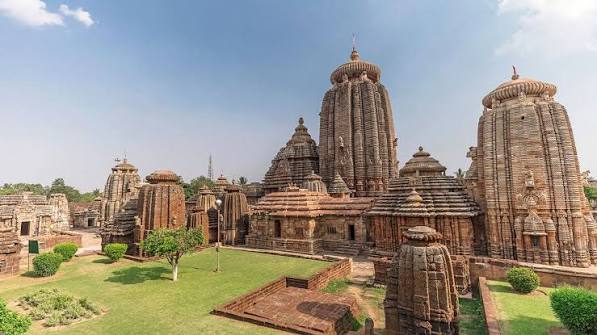
 Bhubaneswar earned its nickname “Temple City of India” largely because of one structure — a 180-foot tower that’s dominated the city skyline for nearly a thousand years. Lingaraj Temple isn’t just Odisha’s largest and most sacred shrine; it’s genuinely one of the few ancient Indian temples where active worship has continued uninterrupted for centuries, without ever being abandoned or converted into a purely archaeological site. Dedicated to a rare combined form of Shiva and Vishnu together, this temple draws devotees who come specifically for its Harihara worship — something you won’t find replicated at most other major Hindu shrines. If you’re planning a visit, here’s everything that genuinely matters before you go.
| Detail | Information |
| Temple | Lingaraj Temple (Sri Lingaraja Temple) |
| Deity | Lord Harihara (combined Shiva-Vishnu form) |
| Location | Old Town, Lingaraj Nagar, Bhubaneswar, Odisha |
| Daily Timings | 6:00 AM – 12:30 PM, 3:30 PM – 9:00 PM |
| Entry Fee | Free |
| Entry Restriction | Hindus only (viewing platform available for others) |
| Nearest Railway Station | Bhubaneswar Station (~4–5 km) |
| Nearest Airport | Biju Patnaik International (~3–6 km) |
Temple Timings: The Daily Schedule
Lingaraj Temple runs a consistent two-session schedule throughout the week: morning darshan from 6:00 AM to 12:30 PM, and evening darshan from 3:30 PM to 9:00 PM. This structure holds steady on regular days, though hours extend considerably during Maha Shivaratri, when the temple opens as early as 3:30 AM and stays accessible until around 11:00 PM to accommodate the massive devotional rush this festival brings.
Best time for a peaceful visit: October to March offers Bhubaneswar’s most comfortable weather for exploring the temple’s extensive open courtyards, with temperatures typically ranging between 15°C and 30°C during these months. Early morning or late evening, timed around the daily aarti, tends to offer a genuinely calmer atmosphere than the busier midday hours.
Entry: Free, But Restricted to Hindu Devotees
General darshan at Lingaraj Temple is completely free, and there’s no ticketed entry system of any kind. However, this is genuinely important to know before you plan your trip: entry to the temple is restricted to Hindus only. This rule is consistently and strictly enforced.
For non-Hindu visitors, an elevated viewing platform exists along the compound wall — originally constructed during the tenure of Viceroy Lord Curzon specifically to allow visitors a good exterior view of the temple’s architecture without entering the inner complex. It’s a genuinely thoughtful compromise, letting you appreciate the towering 180-foot spire and surrounding structures even if you can’t step inside.
No online puja booking is currently available for this temple — all darshan and rituals happen on a walk-in basis during open hours.
Understanding Harihara: Why Two Gods Share One Sanctum
This is genuinely what makes Lingaraj spiritually distinct from most other major Shiva temples in India. The presiding deity is worshipped as Harihara — Hari referring to Vishnu, Hara referring to Shiva — representing these two major deities as fundamentally one and the same rather than separate entities.
According to temple legend, Lord Vishnu once appeared in Bhubaneswar disguised as an ascetic named Ananta Vasudeva and performed intense penance at Bindu Sagar Lake, right beside the temple. Pleased by this devotion, Shiva granted him a boon that he would be worshipped alongside him at this very site — which is precisely why you’ll find both traditions honored within the same sacred space, a genuinely rare arrangement in Hindu temple practice.
The main sanctum houses a Swayambhu (self-manifested) Shivalinga, believed to have appeared naturally rather than being carved, measuring roughly 8 feet in diameter and standing about 8 inches above the floor. Goddess Parvati is worshipped separately here as Bhagawati Devi or Bhubaneswari, considered the presiding deity of the entire city, with her own dedicated shrine within the compound.
The Legend Behind Bhubaneswar’s Sacred Origins
Understanding this story genuinely adds depth to a temple visit. According to tradition, Lord Shiva once told Goddess Parvati why he favored Bhubaneswar — then known as Ekamra Kshetra — over the holy city of Varanasi. Curious to explore this preferred city herself, Parvati disguised herself as an ordinary cattlewoman and ventured out. During her exploration, she encountered two demons, Kirti and Vasa, who repeatedly pursued her with marriage demands despite her refusals. Left with no choice, she destroyed them both to protect herself.
Following this event, Lord Shiva descended and formed Bindu Sagar Lake, choosing to reside there permanently. This sacred tank, adjacent to the temple today, is believed to contain water drawn from every sacred river across India, giving it the power to wash away sins for those who bathe in it. Once a year, the main deity is ceremonially brought here for a ritual bath — a tradition still observed today. A small island at the center of the lake houses several additional shrines, considered a must-visit spot for pilgrims completing their Lingaraj darshan.
Architecture: A Nearly Thousand-Year-Old Masterpiece
Lingaraj Temple was built around the 11th century CE by King Jajati Keshari (also recorded as Yayati Keshari) of the Somavamsi dynasty, constructed as he shifted his capital from Jajpur to Bhubaneswar. Historical evidence suggests parts of the site may have existed as a place of worship even earlier, potentially dating back to the 6th or 7th century CE.
Built in the Kalinga (Deula) architectural style, the temple’s 180-foot tower dominates Bhubaneswar’s skyline and represents one of the finest examples of Odisha’s distinctive temple architecture. The complex divides into four main structural sections: the Vimana (housing the sanctum), the Jagamohana (assembly hall), the Natamandir (festival and dance hall), and the Bhoga Mandapa (hall of offerings) — with the dance hall and offering hall reportedly added roughly a century after the original porch and shrine were completed.
The temple compound houses an extraordinary 150 smaller shrines, and the outer walls are covered in detailed sculptural work, including gods, goddesses, celestial nymphs, and mithuna (amorous couple) carvings that showcase the remarkable dexterity of the era’s craftsmen. The temple remains under joint protection of the Archaeological Survey of India and the Temple Trust Board, standing as one of the few ancient Indian temples where continuous worship has genuinely never stopped since its construction.
Dress Code and Practical Rules
Traditional or modest attire is recommended — avoid shorts or sleeveless tops.
Restricted items: Mobile phones, cameras, and leather items such as belts and wallets are not permitted inside the temple. Photography is strictly prohibited within the complex.
Footwear must be removed before entering.
A genuine word of caution: stay away from anyone outside the temple offering to perform special pooja on your behalf for a fee — only the temple’s own designated priests should be trusted for any ritual services. This scam is common enough around major temples that it’s worth being deliberately cautious.
Festivals Worth Planning Around
Maha Shivaratri stands as the temple’s most significant annual celebration, drawing lakhs of devotees from across the country, with the temple extending its hours dramatically to accommodate the crowds.
Ashokashtami brings the dramatic Rukuna Rath Yatra — meaning “the chariot that doesn’t turn” — where Lord Lingaraj is taken in procession to the Rameshwar Deula Temple atop a wooden chariot with six wheels and sixteen pillars. True to its name, the chariot moves only in a straight line along a fixed route, without any turns, pulled by devotees through the city’s streets and markets, accompanied by folk dances and cultural performances.
Chandan Yatra, the sandalwood ceremony, unfolds over a remarkable 22 days, during which temple servants ride a specially constructed barge on Bindu Sagar Lake. Both deities and devotees are anointed with sandalwood paste throughout this period, traditionally believed to offer protection from the region’s summer heat, accompanied by communal feasts and celebrations.
Location: Where Exactly Is the Temple?
Lingaraj Temple sits in the Old Town area of Bhubaneswar, on Rath Road in the Lingaraj Nagar locality — a district widely recognized as the spiritual heart of the city, given its dense concentration of ancient temples and heritage sites. Its central location makes it a natural anchor point for a broader Bhubaneswar temple circuit.
How to Reach Lingaraj Temple
By Rail – Bhubaneswar Railway Station is the nearest, roughly 4-5 km from the temple, about a 15-20 minute journey by taxi, auto-rickshaw, or local bus.
By Air – Biju Patnaik International Airport sits close by, with distances cited between 3 and 6 km depending on the exact source, translating to roughly 15-20 minutes by road.
By Road – The temple is well connected within Bhubaneswar via auto-rickshaws, taxis, and local buses, including the “Mo Bus” service (route 32) running from Master Canteen bus stop directly to the temple, operating daily from 7:50 AM to 8:05 PM. Free parking is available near the temple for those arriving by car.
For a broader Odisha itinerary: Puri sits approximately 60 km away, making Lingaraj Temple easy to combine with a Bhubaneswar-Puri travel plan, and several other significant Bhubaneswar attractions — including Bindu Sagar Lake, Rajarani Temple, Mukteswar Temple, and the Udaygiri-Khandagiri caves — sit within easy reach for a fuller day of sightseeing.
Frequently Asked Questions
Q1. We’re a mixed-faith family visiting Bhubaneswar — will non-Hindu members be able to experience the temple at all?
Yes, though not through the main entrance. A dedicated viewing platform along the compound wall, originally built for this exact purpose, allows non-Hindu visitors a genuinely good view of the temple’s exterior architecture and the towering 180-foot spire, even though entry into the inner sanctum remains restricted to Hindu devotees.
Q2. We’re planning to visit specifically during Maha Shivaratri — how much earlier should we plan our arrival compared to a normal day?
Given the temple extends its hours to as early as 3:30 AM during this festival, arriving well before dawn is genuinely worth considering if you want to experience the most intense devotional atmosphere with somewhat manageable crowds. Expect substantially larger numbers than any regular visit, so budget considerably more time for the whole experience.
Q3. Someone outside the temple offered to arrange a special puja for us — is this legitimate?
Be cautious here. Multiple sources specifically warn devotees against accepting pooja services from anyone other than the temple’s own designated priests. If you want to perform a specific ritual, arrange it directly through the temple itself rather than through anyone approaching you outside.
Q4. Can we combine a Lingaraj Temple visit with Bindu Sagar Lake and the smaller island shrines in the same trip?
Yes, and it’s genuinely worth doing, since Bindu Sagar sits directly adjacent to the temple and carries its own deep mythological significance tied to the site’s founding legend. Many pilgrims treat a visit to the lake’s central island shrines as a natural extension of their Lingaraj darshan rather than a separate stop.
 Karan Singh