 By Saurav Mehra
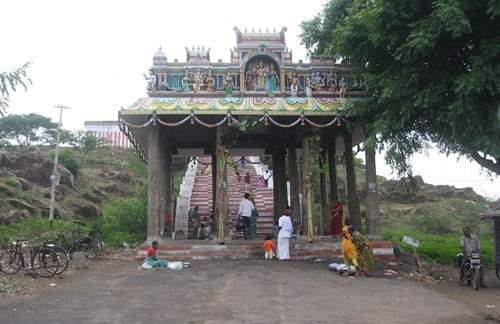
 Just 25 km from Chennai’s bustle sits a hilltop shrine where Lord Murugan is believed to have paused — genuinely rested — after his victory over the demon Surapadman, before continuing his journey to Thiruthani to marry Valli. Kundrathur Murugan Temple isn’t just another weekend Chennai getaway; it’s home to one of the rarest deity orientations in Tamil Nadu, and that single detail alone gives it the alternate name “South Thanigai.” If you’re planning a visit, here’s exactly what you need to know before making the climb.
| Detail | Information |
| Temple | Sri Subramanya Swamy Temple (Kundrathur Murugan Temple) |
| Deity | Lord Murugan (standing form, holding the Vel) |
| Location | Murugan Koil Street, Kundrathur, Chennai, Tamil Nadu |
| Morning Darshan | 6:00 AM–1:00 PM |
| Evening Darshan | 3:30 PM–8:30 PM |
| General Darshan | Free, no VIP system on regular days |
| Distance from Chennai Central | ~25 km |
| Distance from Airport | ~18 km |
Temple Timings: The Full Daily Schedule
Kundrathur Murugan Temple follows a genuinely detailed split schedule across the day. It opens at 6:00 AM, with Kalasandhi Pooja running from 7:00 AM to 7:30 AM, followed by continuous darshan through to 1:00 PM. The temple then closes for the afternoon, reopening at 3:30 PM for evening darshan, which continues until 7:00 PM, when Sayaratchai Pooja takes place from 7:00 PM to 7:30 PM. Final darshan runs from 7:30 PM to 8:30 PM, when the temple closes for the night.
Viswaroopa Darshanam, the very first glimpse of the deity, opens the day and is widely considered the most spiritually charged and peaceful moment to visit, given the minimal crowd at that early hour.
Best time for a peaceful visit: Early morning between 5:30 AM and 7:00 AM, or after 7:30 PM in the evening, offers genuinely calm darshan with short waits. Tuesdays, Fridays, and Krithigai days consistently draw heavier crowds given their significance for Murugan worship — if you’d rather avoid the rush, plan around these specific days. October to March brings Chennai’s most comfortable weather, genuinely making the hill climb far more pleasant than during the hotter months.
Darshan: Free Entry, No VIP System on Regular Days
General darshan at Kundrathur Murugan Temple remains completely free for every devotee, and unlike many larger Tamil Nadu temples, there’s genuinely no VIP or paid priority queue on regular days — everyone experiences the same access regardless of status.
During major festivals, paid queue tickets become available specifically to help manage the significantly larger crowds these occasions draw. For rituals beyond standard darshan, Special Archana starts from ₹25, varying by the specific type chosen, while Abhishekam bookings range between ₹100 and ₹500 depending on the offering selected. Devotees interested in these should reach the temple early and enquire directly at the counter, since availability can be limited on busier days.
The Legend: Why This Temple Is Called “South Thanigai”
Understanding this story genuinely deepens the visit. According to tradition, after defeating the demon Surapadman at Thiruchendur, Lord Murugan traveled toward Thiruttani, where he would later marry Valli. Along the way, he rested at this hill in Kundrathur — a moment of pause before that pivotal chapter of his journey.
This rest is symbolically captured in the temple’s idol itself: Lord Murugan stands alone, holding the Vel (his sacred spear), rather than alongside his consorts — a detail that makes narrative sense given the story describes him resting here specifically before his marriage to Valli. What makes this genuinely rare is the deity’s orientation: he faces north, toward Lord Vishnu at Tirupati, making Kundrathur the only Murugan temple in Tamil Nadu with this specific northward-facing form. This distinctive orientation is precisely why the temple is also known as South Thanigai — a name that consciously echoes Thiruttani, the actual site of his wedding, while marking this quieter, contemplative stop along the way.
Some accounts of the temple describe the deity as accompanied by his consorts Valli and Deivanai facing west instead — given this genuine inconsistency across sources, it’s worth simply experiencing the darshan yourself and asking the temple priests on-site for the most authoritative local account of the deity’s exact form and orientation.
A Temple With Chola-Era Roots
Kundrathur Murugan Temple carries genuine historical weight, closely associated with the Chola dynasty. The temple is believed to have been renovated during the reign of King Kulothunga Chola II, reflecting centuries of continuous devotion and royal patronage at this site. Built in classic Dravidian architectural style, the temple showcases the detailed stone carvings and tall entrance towers characteristic of that tradition, all set within a genuinely peaceful hilltop environment away from Chennai’s usual noise.
Daily Poojas and What to Expect
Beyond the two main darshan sessions, daily worship at Kundrathur includes abhishekams, alankarams, and vel poojas, each contributing to the temple’s consistently devotional atmosphere. Special poojas are specifically conducted on Mondays, festival days, and auspicious occasions like Kiruthigai, Pournami, and Sashti — worth timing your visit around if one of these holds particular significance for you.
Facilities and Practical Tips
The temple offers genuinely solid visitor amenities given its hilltop setting — ample parking near the base, clean restrooms close to the entrance, and prasadam distribution following major poojas and festivals. Small shops nearby sell flowers, coconuts, and religious items for those wanting to make offerings.
On tonsure and bathing facilities: a few visitor accounts mention these being available, though this isn’t consistently confirmed across sources — it’s genuinely worth checking directly with temple staff on arrival if you’re specifically planning a child’s tonsure ceremony here.
Practical reminders: Carry water, especially during summer months when temperatures can exceed 35°C. Wear comfortable footwear that’s easy to remove at the base of the hill, since you’ll need to climb a short flight of steps to reach the sanctum.
Festivals Worth Planning Around
Skanda Sashti, a six-day festival held in October-November, marks Murugan’s victory over Surapadman with strict devotee fasting, daily special poojas, and dramatic reenactments of the demon’s defeat — culminating in the grandest celebrations and processions on the final day. Thai Poosam, Panguni Uthiram, Krithigai Nakshatram, and Monthly Pradosham round out the temple’s broader festival calendar, each drawing considerably heavier footfall than a regular visit.
Location: Where Exactly Is the Temple?
Sri Subramanya Swamy Temple sits atop a small hill in the town of Kundrathur, on Murugan Koil Street, roughly 25 km from Chennai Central and about 10 km from Tambaram. Its proximity to Chennai’s southern suburbs genuinely makes it an easy half-day or full-day trip for city residents.
Nearby attractions worth combining with your visit: Rajeev Gandhi Memorial and Dhenupureeswarar Temple are commonly visited together with Kundrathur, and Thirupporur Murugan Temple offers a natural pairing for a fuller Murugan-focused day trip.
How to Reach Kundrathur Murugan Temple
By Air: Chennai International Airport is the nearest, roughly 18 km from the temple, about a 30-40 minute drive depending on traffic. Taxis and app-based cabs are readily available right outside the terminals.
By Bus: Local buses operate regularly from Tambaram, Pallavaram, and Porur, offering a genuinely cost-effective way to reach the temple.
By Auto-Rickshaw or Taxi: Autos and taxis are easily available from nearby areas, offering flexible travel options for those not driving themselves.
By Private Vehicle: Devotees driving their own vehicles will find parking available near the base of the hill, with a short flight of steps leading up to the hilltop sanctum from there.
Frequently Asked Questions
Q1. We’re planning to arrive around 2 PM — will we get darshan?
No, the temple observes an afternoon closure roughly between 1:00 PM and 3:30 PM daily, so arriving at 2 PM means waiting outside. Plan your visit for either the morning session (before 1:00 PM) or the evening session (after 3:30 PM) to avoid this gap.
Q2. We want to perform a special abhishekam — how far in advance should we book?
Given that spots for special abhishekam and archana fill up quickly, especially on auspicious days like Krithigai or during festivals, it’s genuinely worth arriving early in the morning and enquiring directly at the temple counter rather than assuming walk-in availability closer to your preferred time.
Q3. We heard conflicting things about whether Murugan faces north or west here, and whether his consorts are present — what should we expect?
This genuinely varies across different accounts, with some describing the deity standing alone facing north (tied to the “South Thanigai” naming and the resting-before-marriage legend), while others describe him facing west with Valli and Deivanai. Given this inconsistency, it’s worth simply experiencing the darshan yourself and asking the temple priests for the most authoritative explanation during your visit.
Q4. We’re planning to visit during Skanda Sashti — how much earlier should we arrive compared to a regular day?
Given how significantly crowds build during this six-day festival, especially on the final day’s grand celebrations, arriving well before the temple’s regular 6:00 AM opening is genuinely worth doing. Expect extended darshan hours and additional special poojas throughout the day, so budget considerably more time than a typical visit.
 Karan Singh