 By Saurav Mehra
 There’s a reason so many Karnataka families specifically plan a stop at Ganjam village when they’re worried about a delayed marriage proposal or facing a stubborn problem that just won’t resolve. Nimishamba Devi Temple carries a genuinely powerful local reputation — “Nimisha” literally means one minute, and devotees believe the Goddess resolves their troubles within exactly that timeframe. Set right on the banks of the Cauvery near Srirangapatna, this temple pulls in visitors from across South India who come specifically seeking swift, decisive answers to their prayers. If you’re planning a visit, here’s everything worth knowing before you go.
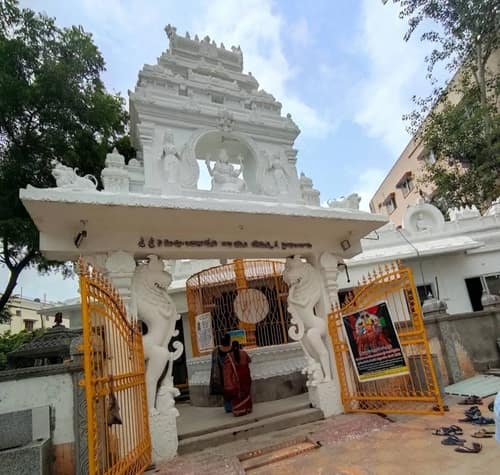
| Detail | Information |
| Temple | Sri Nimishamba Devi Temple |
| Deity | Goddess Nimishamba (form of Parvati/Durga) |
| Location | Ganjam, Srirangapatna, Mandya District, Karnataka – 571438 |
| Daily Timings | 6:00/6:30 AM – 8:30 PM |
| General Darshan | Free |
| Special Darshan | ₹20–₹100 |
| Distance from Mysore | ~17–18 km |
| Distance from Bangalore | ~128 km |
Temple Timings: The Full Daily Schedule
Nimishamba Devi Temple opens as early as 6:00 to 6:30 AM and stays accessible until 8:30 PM, with a structured sequence of rituals built into the day.
Detailed daily schedule:
- Abhishekam — 6:30 AM to 7:30 AM
- Morning Darshan — 7:30 AM to 12:00 Noon
- Maha Naivedya — 12:00 PM to 12:30 PM
- Afternoon closure for rest and preparation, generally through the early afternoon
- Evening Darshan — 4:00 PM to 6:30 PM
- Additional evening session — 7:30 PM to 8:30 PM
Some sources cite the darshan windows slightly differently, so treat the temple as generally accessible dawn to evening with a midday break, and confirm exact timing locally if you’re planning around a specific ritual. Pradosha Kala Abhishekam happens on select days — Monday through Thursday and on Saturdays specifically — worth knowing if this particular ritual matters to your visit.
Best time for a peaceful visit: Weekdays offer noticeably calmer darshan compared to weekends, which get genuinely crowded given the temple’s popularity as a day-trip destination from both Mysore and Bangalore. Early morning, right after the Abhishekam concludes, tends to be the quietest window.
Darshan: Free Entry, Affordable Special Tickets
General darshan at Nimishamba Devi Temple remains free for all devotees, and this is how most visitors experience the shrine, joining the standard queue.
For those wanting faster access, special darshan tickets are available at genuinely modest prices — typically ₹20 or ₹100 — offering quicker entry during peak times, and ticket holders usually receive a laddoo prasada as part of the package. Given how affordable these tiers are, they’re genuinely worth considering if you’re visiting on a weekend or during a festival, when the free queue can stretch out considerably.
Why Devotees Believe Nimishamba Grants Wishes in a Minute
Understanding this belief genuinely shapes why so many people travel here specifically. According to legend, the Suryavamsha king Muktaraja, belonging to the Somavamsha Arya Kshatriya lineage, performed intense penance at this exact spot on the Cauvery’s banks. During his penance, he had a Sri Chakra (a sacred geometric yantra) carved into stone and began worshipping it devotedly. After years of this practice, he is said to have entered self-mortification, and successive rulers of the region later installed this same Sri Chakra alongside the Goddess’s idol — the very one you’ll see positioned in front of Nimishamba inside the sanctum today.
The name “Nimisha,” meaning one minute in the local language, reflects the enduring popular belief that devotees who pray here with genuine faith see their troubles resolved almost instantly — a reputation that’s kept the temple genuinely busy with visitors for generations.
What’s Inside the Temple Complex
Beyond the main Nimishamba shrine, the temple houses several other deities within the same complex: Mukthikeshwara (a form of Lord Shiva), Ganesha, Surya Narayana (also referred to as Narayanaswamy), Hanuman, Saraswati, and Lakshmi. The idols of Lakshmi and Saraswati are specifically noted to have a cement base, distinguishing them slightly from the temple’s stone-carved primary deities.
Traditional offerings worth knowing about: many devotees specifically carry lemons to place before the Sri Chakra during their prayer, a practice priests actively assist with. If a wish is fulfilled after praying here, it’s customary for devotees to return and donate a saree to the Goddess as a gesture of gratitude — a tradition that’s genuinely still widely followed today.
Marriage Blessings and Family Prayers
This is genuinely one of the temple’s core devotional focuses. Nimishamba is particularly sought out by families hoping for a marriage proposal to materialize, or by couples praying for marital harmony and fertility. This specific reputation draws a steady stream of families making the trip from Bangalore and Mysore specifically for this reason, treating the temple as a dedicated stop for this exact kind of prayer rather than general worship alone.
Free Meals and Practical Amenities
An afternoon prasada meal is served daily from around 12:00 PM to 3:00 PM, and visitors consistently describe it as genuinely worth trying rather than skipping. On every Full Moon day, the temple additionally provides free meals to all devotees as part of its regular charitable tradition.
Parking is plentiful and completely free, with no charges levied regardless of how long you stay — genuinely convenient given how many visitors arrive by private vehicle from Mysore or Bangalore. The temple also sits right along the Cauvery, and many visitors specifically build in time for a peaceful walk along the riverbank behind the temple, along with browsing the small market outside selling fresh produce and local snacks.
Festivals Worth Planning Around
Nimishamba Jayanthi, the temple’s most significant annual celebration, falls on Vaishaka Shudha Dashami and is celebrated with particular devotion by the Somavamsha Arya Kshatriya community. The day features an elaborate sequence of rituals — Ganapathi Homa, Nimishamba Homa, Mruthyunjaya Homa, and Lakshminarayana Homa — followed by an Abhisheka Pooja performed with 108 kalasas to the main deities, concluding with an evening procession (Utsava) of Nimishamba Devi, Mukthikeshwara, and Narayanaswamy through the temple grounds.
Vasavamba Jayanthi, observed by the Arya Vysya community, is another significant annual celebration here. Navaratri and Durgashtami during Dussehra bring their own elaborate rituals, including Durga Homa (chanting the Devi’s moolamantra 1008 times), Chandi Homa, Ayudha Pooja, and Saraswati Pooja, culminating in special rituals on Vijayadashami. Varamahalakshmi, Shivaratri, Ugadi, Ganesha Chaturthi, and Deepavali all bring additional special poojas and naivedya offerings throughout the year.
Location: Where Exactly Is the Temple?
Sri Nimishamba Devi Temple sits in Ganjam village, on the road leading to the Sangam (Triveni confluence, where the Kaveri, Lokapavani, and Hemavati rivers meet), close to the historic town of Srirangapatna in Mandya District, Karnataka. The temple’s riverside setting genuinely adds to its peaceful, spiritually grounding atmosphere, distinct from busier urban temple visits.
Nearby attractions worth combining with your visit: Ranganathittu Bird Sanctuary sits just about 7 km away, Brindavan Gardens roughly 22 km, and the Triveni Sangam itself is a short distance further down the same road — genuinely easy to fold into the same day trip.
A note on branch temples: Smaller Nimishamba temples also exist in Bangalore, one on OTC Road in Cottonpet near Majestic, built by the Sri Somavansh Arya Kshatriya Samiti, and another in Rajarajeshwari Nagar. If you’re specifically searching for the original, historic shrine with the founding Sri Chakra legend, that’s this Srirangapatna temple rather than either of the Bangalore branches.
How to Reach Nimishamba Devi Temple
By Rail
Srirangapatna Railway Station is the nearest, roughly 5 km from the temple, making rail travel genuinely convenient for those coming from Mysore or Bangalore.
By Air
Mysuru Airport is the closest, approximately 39 km away, with taxis available for the onward road journey.
By Road
The temple is about 17-18 km from Mysore and roughly 128 km from Bangalore, translating to about a 2-hour drive from the city. Regular buses and taxis connect Srirangapatna to both cities, and given the temple’s popularity as a weekend day-trip destination, driving yourself offers the most flexibility for combining it with nearby attractions like Ranganathittu Bird Sanctuary.
Frequently Asked Questions
Q1. We’re visiting on a Saturday specifically for the Pradosha Kala Abhishekam — is this ritual guaranteed to happen that day?
Yes, Pradosha Kala Abhishekam is performed on selective days including Saturdays, so your timing should align correctly. That said, given some variance in exact scheduling across sources, it’s genuinely worth calling the temple ahead using the listed contact numbers to confirm the exact time slot before you travel.
Q2. Is the ₹100 special darshan ticket significantly faster than the free queue during weekends?
Based on visitor experiences, yes — the special darshan lines move considerably faster than the general queue, especially during peak weekend hours when free-queue waits can stretch out. Given how affordable this option is, many visitors consider it genuinely worth the cost purely for the time saved, particularly if you’re also hoping to explore nearby attractions like Ranganathittu the same day.
Q3. We want to donate a saree after our wish gets fulfilled — is there a specific process for this at the temple?
This is a widely followed local tradition, and devotees typically bring the saree directly to the temple counter or hand it to the priests during a subsequent visit as a gesture of gratitude. There’s no rigid formal procedure beyond this — it’s treated as a personal, sincere offering rather than a mandatory ritual with strict steps.
Q4. Can we combine this temple visit with the Triveni Sangam and Ranganathittu Bird Sanctuary in a single day trip from Bangalore?
Yes, this is genuinely a popular combination given how close all three sites sit to each other near Srirangapatna. Starting early from Bangalore, completing temple darshan by mid-morning, then continuing to Ranganathittu (about 7 km away) and finishing at the Sangam confluence makes for a well-paced single-day itinerary without excessive rushing.
 Karan Singh