 By Saurav Mehra
 There’s a reason Shirdi pulls in over 60,000 devotees every single day, rising past 2-3 lakh during major festivals — Sai Baba’s message of “Sabka Malik Ek” (One God rules over all) transcends religious lines in a way genuinely few pilgrimage sites manage. But that same popularity means a poorly planned Shirdi trip can turn into hours of standing in a queue under the Maharashtra sun. Whether you’re going for a quiet weekday darshan or specifically timing your visit around the Kakad Aarti, understanding the ticket system and crowd patterns here makes the real difference between a peaceful visit and an exhausting one.
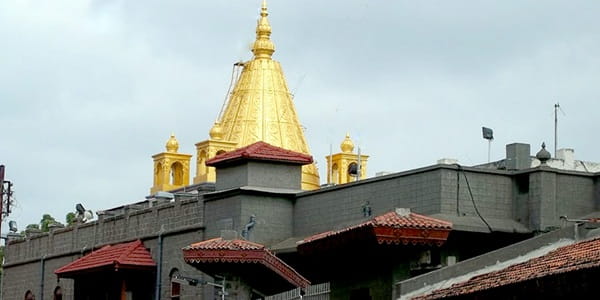
Quick Overview
| Detail | Information |
| Temple | Shirdi Sai Baba Temple (Samadhi Mandir) |
| Deity | Sai Baba of Shirdi |
| Location | Shirdi, Ahmednagar District, Maharashtra |
| Daily Timings | 5:00 AM – 12:00 PM, 4:00 PM – 10:00 PM |
| Free Darshan | 5,000 passes/day via online.sai.org.in |
| Special Darshan | ₹300 |
| VIP Darshan | ₹500 |
| Nearest Airport | Shirdi International Airport (~15 km) |
| Nearest Railway Station | Sainagar Shirdi (within the town) |
Temple Timings: The Daily Schedule and the Midday Break
Shirdi Sai Baba Temple opens at 5:00 AM and stays accessible until 10:00 PM, with a scheduled break between 12:00 PM and 4:00 PM daily. This midday closure catches out plenty of first-time visitors who assume continuous access — plan your darshan for either the morning or evening window, not the gap in between.
Daily Aarti schedule:
- Kakad Aarti — early morning, around 5:00 AM (some sources cite 4:30 AM), the day’s opening ritual
- Madhyan Aarti — around noon, just before the midday break
- Dhoop/Sandhya Aarti — evening, at sunset
- Shej Aarti — around 10:30 PM, the final ritual before the temple closes for the night
Crowd patterns worth planning around: Off-peak hours (4-7 AM and 10-11 PM) typically see general darshan completed within 30-60 minutes. Peak hours (9 AM-12 PM and 6-8 PM) can stretch this to 2-4 hours. Thursdays — considered especially auspicious for Sai Baba worship — regularly see 4-6 hour waits even on a regular week, and during major festivals like Ram Navami, Guru Purnima, or Vijayadashami (Sai Baba’s Punyatithi), waits of 6-10 hours are genuinely possible without advance planning.
Best time for a peaceful visit: Monday or Tuesday mornings between 5:00 AM and 7:00 AM offer the calmest, most serene darshan experience — genuinely the sweet spot most repeat visitors specifically aim for.
Darshan Ticket Types: Free, Special, and VIP
Shirdi offers three main darshan categories, each suited to different priorities and budgets.
Regular/Free Darshan remains available to everyone without cost, with roughly 5,000 free passes released daily through the official portal. This is genuinely the most popular option, though it comes with a real trade-off — queue times can stretch considerably during peak hours or Thursdays.
Special Darshan, priced at ₹300, offers a moderate queue experience, typically completing within 1-2 hours — a reasonable middle ground if you want to save time without paying the premium VIP rate.
VIP Darshan, priced at ₹500, gets you into a noticeably shorter queue, generally completing within 30-60 minutes through a dedicated entry gate.
Online Live Darshan is also available specifically for devotees who can’t travel to Shirdi in person, letting them experience the Samadhi darshan remotely through the official portal.
Booking process: Visit online.sai.org.in, register or log in using your mobile number, select “Darshan Booking,” enter valid ID proof (Aadhaar, PAN, Voter ID, or Passport), choose your preferred darshan type along with date and time slot (bookable up to 60 days in advance), complete payment for Special or VIP passes (or simply confirm for free passes), and download your e-ticket. Carry both the printed or downloaded ticket and your original ID for verification at entry.
Important restrictions to verify: Some recent sources mention that children below 10 years face restrictions for certain darshan bookings, and that visitors above 65 may encounter entry limitations, with pregnant women generally advised against joining the darshan queue given crowd conditions. Given these details aren’t uniformly confirmed across all sources, it’s genuinely worth double-checking current rules on the official portal before finalizing travel plans if any of these situations apply to your group.
Aarti Passes: Booked Separately from Darshan
If witnessing one of the daily Aartis matters to you, note that Aarti passes are booked separately from your darshan pass, also through online.sai.org.in. Given how sought-after these slots are — particularly the early morning Kakad Aarti — booking well in advance is genuinely worth doing rather than hoping for last-minute availability.
Senior citizen provision: Free passes are available for senior citizens, with one accompanying person permitted if the senior is above 70 years of age; if between 60 and 70, only a spouse can accompany them on the free pass. Entry for senior citizens using free passes typically happens through Gate No. 3.
The Five Sacred Sites Within the Complex
Understanding what’s actually inside Shirdi’s 200-acre complex genuinely changes how you plan your day, since most first-time visitors focus solely on the Samadhi Mandir and miss the broader pilgrimage experience.
Samadhi Mandir houses Sai Baba’s actual tomb — not a statue, but his genuine resting place — and remains the most crowded and spiritually central point of any visit.
Dwarkamai, a mosque where Sai Baba lived for roughly 60 years, is considered by many devotees to be equally significant as the Samadhi itself. This is where the famous oil lamp miracle took place — when shopkeepers refused to lend him oil, he reportedly used water instead, and the lamps lit anyway. The Dhuni, a sacred fire that’s been burning continuously since Sai Baba’s time, still burns here, and the sacred ash (Udi) from it remains a treasured prasad for devotees.
Chavadi is where Sai Baba slept on alternate nights, Gurusthan marks the spot where he was first discovered meditating under a neem tree as a young man in 1858 (the tree still stands today), and Lendi Baug is the garden he personally developed and tended.
All five sites sit within walking distance of each other, and skipping Dwarkamai specifically is something many repeat visitors caution against — treating it as equally important to the main Samadhi darshan rather than an optional extra.
Dress Code and Practical Rules
Shirdi enforces a genuinely strict dress code, with security actively checking attire at temple gates and denying entry for non-compliance. Shoulders and knees should be covered — avoid shorts, sleeveless tops, and any revealing clothing. Children above 5 years should follow the same modest guidelines (full pants or skirts below the knee, sleeved tops), while infants and toddlers face no strict restriction, though modest clothing is still preferred.
Photography is strictly prohibited inside the Samadhi Mandir itself.
Cloakroom facility: The temple complex provides free, secure cloakroom services near the entrance for depositing mobiles, bags, cameras, and other prohibited items before darshan. This operates 24/7 during temple hours, and you’ll collect your belongings afterward using a token — a well-organized system used by thousands daily without issue.
What darshan actually feels like: Once you reach the sanctum, the queue moves in a continuous flow near the Samadhi — you typically get just 5-10 seconds directly in front of it to bow, pray, and receive blessings before moving on. After this, prasad is distributed, and you exit through a designated route.
Location: Where Exactly Is the Temple?
Shirdi Sai Baba Temple sits in the town of Shirdi, within Ahmednagar District, Maharashtra. The temple is managed by the Shri Saibaba Sansthan Trust — one of India’s wealthiest temple trusts — which also runs charitable hospitals, educational institutions, and dharamshalas as part of its broader social service mission, reflecting Sai Baba’s own teachings of service and charity.
How to Reach Shirdi Sai Baba Temple
By Rail
Sainagar Shirdi Railway Station sits right within the town itself, connected to major cities across South and Western India, including Mumbai, Hyderabad, Chennai, and Bangalore — genuinely one of the most convenient rail connections among major Indian pilgrimage sites.
By Air
Shirdi International Airport is just about 15 km from the Samadhi Mandir, with regular flights connecting from Mumbai, Hyderabad, Delhi, and Bangalore.
By Road
Shirdi is roughly 187 km from Pune (about 4-5 hours by road) and around 90 km from Nashik (about 2 hours). Regular MSRTC buses and private operators connect Shirdi to Mumbai, Pune, and Nashik, while cabs offer the most convenient door-to-door option for those wanting flexibility around temple timings.
Frequently Asked Questions
Q1. We’re planning to visit on a Thursday since it’s considered auspicious — how much extra time should we budget?
Given that Thursdays are widely considered the most auspicious day for Sai Baba worship, they also see the temple’s heaviest regular crowds, with general darshan waits often stretching to 4-6 hours. If witnessing this specific energy matters to you, budget your entire day around it, or book VIP darshan (₹500) in advance to significantly reduce your wait while still experiencing the Thursday atmosphere.
Q2. Is the ₹300 Special Darshan genuinely worth it compared to the free option, or should we just book the free pass early?
If you can secure one of the 5,000 daily free passes well in advance (up to 60 days ahead) and you’re visiting during off-peak hours (early morning or late evening), the free option works perfectly well. Special Darshan becomes genuinely more valuable if you’re visiting during peak hours, on a Thursday, or simply want a predictable, shorter queue without paying the higher VIP rate.
Q3. We’re traveling with an 8-year-old — will they face any entry restrictions for darshan?
Some recent sources mention restrictions for children below 10 years specifically for certain online darshan bookings, though this isn’t consistently confirmed across all current information. Given this uncertainty, it’s genuinely worth checking the current policy directly on online.sai.org.in or contacting the temple trust before finalizing your booking, particularly if you’re planning around a specific darshan type.
Q4. Can we skip the Samadhi Mandir queue entirely and just visit Dwarkamai and the other sacred sites instead?
Yes, the five sacred sites — including Dwarkamai, Chavadi, Gurusthan, and Lendi Baug — are generally accessible for visiting and reflection without necessarily joining the main Samadhi darshan queue, since they exist as separate walkable locations within the complex. That said, most devotees consider the Samadhi Mandir darshan the spiritual centerpiece of a Shirdi visit, so it’s worth at least attempting during off-peak hours if your schedule allows, rather than skipping it entirely.
 Karan Singh