 By Saurav Mehra
 If Saturn’s transit has ever come up in a conversation with your family astrologer, chances are Thirunallar came up right after it. This isn’t just another Navagraha temple — it’s the one place in India where legend says Lord Saturn himself lost his power to Shiva, all to save a suffering king named Nala from ruin. Every 2.5 years, when Saturn shifts zodiac signs, millions of devotees converge on this small Karaikal town seeking relief from Shani dosha. Whether you’re planning a regular Saturday visit or timing your trip around the 2026 Sani Peyarchi, here’s what you genuinely need to know before you go.
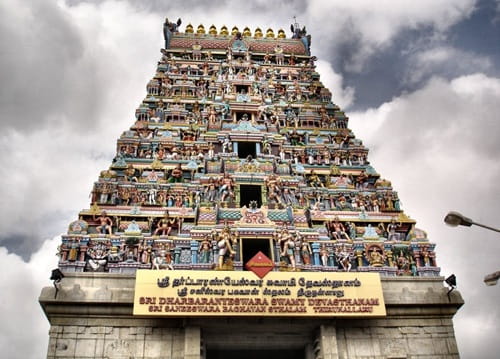
| Detail | Information |
| Temple | Sri Dharbaranyeswaraswamy Devasthanam (Saneeswaran Temple) |
| Deity | Lord Shiva as Dharbaranyeswarar, with Lord Saneeswaran (Saturn) |
| Location | Thirunallar, Karaikal District, Puducherry (UT) – 609607 |
| Morning Darshan | 5:30 AM – 12:30 PM |
| Evening Darshan | 5:00 PM – 9:00 PM |
| General Darshan Fee | Free |
| Priority Darshan (crowded days) | ₹50 – ₹250 |
| Sani Peyarchi 2026 Date | March 6, 2026 |
| Nearest Railway Station | Thirunallar (own station) / Karaikal (~5–6 km) |
Temple Timings: Morning and Evening Sessions
Thirunallar Temple follows a consistent daily schedule across the entire week, including Saturdays — morning darshan from 5:30 AM to 12:30 PM, and evening darshan from 5:00 PM to 9:00 PM. This pattern stays the same throughout the year, though special extended timings are typically announced during Sani Peyarchi and other major festival periods.
Abhishekam timings happen twice daily, at 6:30 AM and 5:30 PM, performed on the rare Marakata (Emerald) Lingam. These are genuinely the temple’s busiest windows — expect heavy crowds specifically around abhishekam hours, so plan your visit accordingly if witnessing this ritual matters to you.
Navagraha Shanti Homam, a 45-minute fire ritual specifically for planetary remedies, is performed only on Saturdays at 7:30 AM, 10:30 AM, and 4:30 PM — worth knowing if this particular seva is your reason for visiting, since it’s not available on other days.
Best time for a peaceful visit: Weekdays outside Saturday consistently see far lighter crowds than the temple’s namesake day. If you’re specifically drawn here for Shani-related worship, Saturdays are traditionally the most powerful day to visit — just be prepared for genuinely significant crowds as a trade-off.
Darshan: Free Entry, With Paid Options During Crowded Periods
General darshan remains completely free, and it’s available strictly on a first-come, first-served basis. There is genuinely no online booking system for standard darshan at Thirunallar — this catches some visitors off guard given how many other major South Indian temples now offer app or portal-based reservations.
During busy periods — Saturdays, festival days, or the Sani Peyarchi transit itself — the temple counter offers priority or VIP darshan tickets, typically ranging from ₹50 to ₹250, letting devotees skip a portion of the general queue. Separately, higher-tier options specifically tied to the Sani Peyarchi festival period have been listed at ₹300 (Quick Entry), ₹600 (Express), and ₹1,000 (Special Entry) — these premium categories apply specifically during the Saturn transit event rather than routine weekly visits.
Booking process for Sani Peyarchi Darshan: For the transit festival specifically, the official portal thirunallarutemple.org offers online paid darshan booking. Register as a new user, select the “Sani Peyarchi Darshan” tab, choose the “Paid Darshan” option, pick your preferred date from the calendar (available slots show green, booked ones show red), fill in the required details, and download your e-ticket after confirmation.
The King Nala Legend: Why This Temple Exists
Understanding this story genuinely shapes why devotees travel here with such specific intent. According to temple lore, King Nala, once a prosperous ruler blessed with every happiness, fell under the grip of Ezharai Sani — the notoriously difficult 7.5-year Saturn cycle in Vedic astrology. He lost his kingdom, was separated from his wife and children, and wandered the streets like a beggar.
Sage Bharadwaja Muni eventually advised him to travel to Thirunallar and worship Lord Dharbaranyeswarar. After bathing in the temple’s sacred tank — now known as Nala Theertham — and offering worship, Nala was freed from Saturn’s malefic influence. Pleased by this outcome, Shiva asked him to remain at the site and bless future devotees who came seeking the same relief.
This is precisely why the Saneeswaran idol here is depicted with hands in Abhayahastha, the gesture of blessing and reassurance — a genuinely unusual portrayal, since Saturn is more commonly shown as a stern, fear-inducing figure at other Navagraha temples.
Why Saneeswaran Comes Before Shiva Here
This is a detail worth knowing before your visit, since it changes how most devotees approach the darshan sequence. At Thirunallar, Lord Saneeswaran effectively serves as doorkeeper to Shiva — tradition holds that you should seek Saneeswaran’s blessing first before proceeding to Dharbaranyeswarar’s darshan, a sequence unique to this particular temple among all Navagraha shrines.
The main lingam itself is a Marakata Lingam (Emerald Lingam), and Swayambhu (self-manifested) rather than crafted by human hands — one of only its kind in the world, according to temple tradition. Thirunallar is also counted as the second of the Saptha Vidanga Sthalams, seven sacred sites where, according to legend, Chola King Muchukunda Chola installed seven emerald lingas gifted by Indra in gratitude for the king’s help.
The Holy Dip: Nala Theertham
Just as King Nala himself did centuries ago, devotees today are encouraged to take a purifying dip in the Nala Theertham tank before proceeding to darshan. Local tradition specifically recommends worshipping in wet clothes afterward, believed to offer complete relief from Saturn’s negative effects — an integral part of the pilgrimage rather than an optional extra for most serious devotees.
Sani Peyarchi 2026: What Makes This Year Significant
The Sani Peyarchi (Saturn’s zodiac transit) occurs roughly once every 2.5 years, and it’s genuinely the single most important event on Thirunallar’s calendar, drawing devotees from across India and abroad. For 2026, this event has been confirmed for March 6, based on the traditional Vaakiyam almanac.
Zodiac signs requiring particular attention in 2026:
- Ezharai Sani (7.5-year cycle) — Aquarius (final phase), Pisces (mid-phase), Aries (starting phase)
- Ashtama Sani (8th house) — Leo, specifically affecting health and legal matters
- Arthaashtama Sani (4th house) — Sagittarius, affecting family stability
If your zodiac sign falls into any of these categories, this is genuinely considered the most auspicious window for seeking Saneeswaran’s blessings, and it’s worth planning your visit specifically around this date if it applies to you.
Practical Rules and What to Carry
Electronics ban: Mobile phones, cameras, and all video equipment are strictly prohibited inside the temple and must be deposited at the entrance counter before you proceed — this is genuinely non-negotiable, so plan to travel light on gadgets for this particular visit.
Dress code: Traditional, modest attire is recommended throughout the temple premises, reflecting the seriousness with which most devotees approach this specific pilgrimage.
Postal prasadam service: For those who can’t attend in person but want an archana performed on their behalf, the temple accepts requests by post. Send a Demand Draft or Money Order (payable to “The Executive Officer (Temples), Thirunallar – 609 607”) along with your full name, address, and birth star written in block letters, either in Tamil or English.
Location: Where Exactly Is the Temple?
Sri Dharbaranyeswaraswamy Devasthanam sits in Thirunallar, a small town in the Karaikal district of Puducherry (Union Territory), roughly 5-6 km from Karaikal’s city center. Believed to date back to the 7th century, the temple’s name traces to the dense Dharbha grass forest that once covered this area — giving Shiva his local name here, Dharbaranyeswarar, “Lord of the Forest of Dharba Grass.”
How to Reach Thirunallar Temple
By Rail
Thirunallar has its own small railway station, genuinely convenient if your train route includes it. Karaikal Railway Station, about 5-6 km away, and Nagore Railway Station, roughly 10 km away, both offer broader connectivity, with Nagore specifically seeing frequent trains from across the country. Mayiladuthurai, a major railway junction roughly 32-35 km away, is another well-connected option for longer-distance travelers.
By Air
Tiruchirapalli (Trichy) International Airport is the nearest, roughly 160-168 km away. From the airport, taxis or Tamil Nadu Government Transport buses complete the onward journey to Thirunallar.
By Road
Thirunallar sits about 60 km from Kumbakonam, 96 km from Thanjavur, and 135 km from Pondicherry. Direct buses run regularly from Chennai, Pondicherry, Mayiladuthurai, Tindivanam, Kumbakonam, and Nagapattinam, making road travel a genuinely practical option from most nearby Tamil Nadu cities.
Frequently Asked Questions
Q1. We’re planning to visit specifically for the March 6, 2026 Sani Peyarchi — should we book paid darshan online in advance?
Given how significantly crowds swell during the Saturn transit, booking Sani Peyarchi Darshan online through thirunallarutemple.org well ahead of the date is genuinely worth doing rather than risking a long wait at the counter. Regular general darshan remains free and first-come-first-served, but for this specific high-demand festival day, advance online booking through the official e-seva portal gives you a confirmed slot.
Q2. We arrived at the temple with our phones and cameras — is there really no way around the electronics ban?
No, this rule is strictly enforced, and all mobile phones, cameras, and video equipment must be deposited at the entrance counter before you proceed inside. It’s genuinely easier to leave non-essential electronics in your vehicle or accommodation beforehand rather than carrying them to the temple only to need to deposit them on arrival.
Q3. Is the ₹250 priority darshan option available every Saturday, or only during major festivals?
Priority and VIP darshan tickets, generally ranging from ₹50 to ₹250, are typically available at the temple counter specifically during crowded periods — this includes regular Saturdays given how much heavier footfall tends to be on this day compared to weekdays, not just major festivals like Sani Peyarchi.
Q4. We want to take the holy dip in Nala Theertham but aren’t sure about timing — does it need to happen before a specific darshan session?
The holy dip is traditionally taken before proceeding to darshan, and since local custom recommends worshipping in wet clothes afterward for the full spiritual effect, it’s best to plan this as your first stop upon arrival rather than fitting it in later. There’s no fixed separate time slot for the tank itself — it’s accessible throughout regular temple hours, so time it to align with whichever darshan session (morning or evening) you’re planning to attend.
 Karan Singh