 By Saurav Mehra
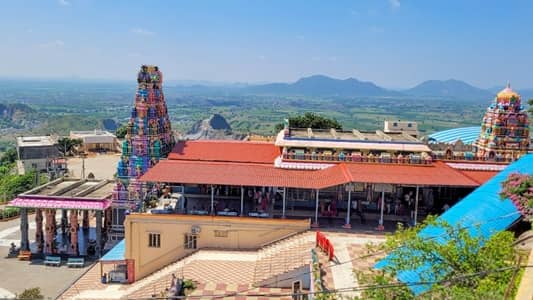
 Tucked into the Trikuta Hills of Andhra Pradesh’s Palnadu district sits a temple where Shiva himself is worshipped across three distinct peaks — a genuinely rare arrangement that gives this shrine its name. Kotappakonda draws thousands of devotees weekly, and lakhs during Maha Shivaratri, believing that prayers offered here with a true heart genuinely remove life’s obstacles and bring lasting prosperity. If you’re planning a visit to this hilltop pilgrimage near Narasaraopet, here’s exactly what you need to know before you climb.
Kotappakonda Temple Quick Overview
| Detail | Information |
| Temple | Sri Trikoteswara Swamy Temple, Kotappakonda |
| Deity | Lord Shiva as Trikoteswara Swamy |
| Location | Kotappakonda, Narasaraopet Mandal, Palnadu District, Andhra Pradesh – 522601 |
| Daily Timings | 6:00 AM–1:00 PM, 3:00 PM–8:00 PM |
| General Darshan | Free |
| Special/VIP Darshan | Small fee (varies) |
| Abhishekam Pricing | ₹100–₹2,116 (offline booking only) |
| Distance from Narasaraopet | ~10–13 km |
| Distance from Guntur | ~55–65 km |
Temple Timings: The Daily Schedule
Kotappakonda Temple generally opens at 6:00 AM and stays accessible until 8:00 PM, with a midday break between 1:00 PM and 3:00 PM — though a few sources cite a slightly earlier 5:30 AM opening without mentioning this break, so it’s worth confirming the current schedule locally if your visit is tightly timed.
Best time for a peaceful visit: Early morning or weekday visits offer the calmest darshan, avoiding both the midday heat and weekend crowds. September to March brings the most comfortable weather for both temple visits and the hill climb, making sightseeing genuinely pleasant compared to the hotter summer months.
Darshan and Ticket: Free Entry With Paid Seva Options
General darshan at Kotappakonda remains free for all devotees, and this is how most pilgrims experience the temple. For those wanting faster access, a Special/VIP darshan option is available for a small fee, though exact pricing varies and is best confirmed at the temple counter on arrival.
Pooja and seva tickets range from a few tens of rupees up to several hundred, depending on the specific ritual chosen. Abhishekam, one of the temple’s most sought-after rituals given its religious significance, is currently bookable only offline at the temple counter, with pricing structured as follows:
- Karthikamasa Paroksha Abhishekam (1 month) — ₹600
- Saswat Ashtottaram (10 years) — ₹1,116
- Nitya Gotram (1 year) — ₹1,116
- Saswat Abhishekam (10 years) — ₹2,116
Booking process: While Abhishekam specifically requires offline, on-site booking for now, some darshan and seva services may be available through the temple’s evolving online presence at kotappakonda.com or through the broader Andhra Pradesh temples portal. Given that online booking capabilities are still being expanded, it’s genuinely worth checking the official website shortly before your visit rather than assuming full digital booking is already in place — announcements suggest online Abhishekam booking is expected in the future but wasn’t consistently confirmed as live at the time of research.
Understanding the Three Peaks and the Temple’s Dual Significance
This is genuinely one of the most distinctive things about Kotappakonda, and sources describe it in slightly different ways worth knowing about. The hill itself, called Trikuta Hills or Trikutadri, is named for its three peaks — commonly identified as Brahma Sikharam, Rudra Sikharam, and Vishnu Sikharam, representing the Hindu Trimurti of Brahma, Vishnu, and Shiva together at one site.
Separately, the temple carries a notable association with Lord Narasimha, worshipped here for protection, strength, and spiritual blessings — with some accounts describing the three peaks as representing different forms of Narasimha rather than the Trimurti framing. Given this genuine variation across sources, it’s worth treating both explanations as part of the temple’s layered spiritual identity rather than a single fixed narrative — either way, devotees consistently describe Kotappakonda as a place where multiple divine energies converge, which is precisely why it draws such devoted crowds.
The main Shivalinga itself, worshipped as Trikoteswara Swamy, sits at a height of approximately 1,587 feet on the hilltop, with epigraphic evidence confirming this specific name for the deity established here.
A History Spanning Centuries
Inscriptions found at the site suggest Kotappakonda existed as a place of worship even before 1172 AD, though the temple’s current structure is credited to Sri Rajamal Raju Narasimha Rayulu, the Zamindar of Narasaraopet, who built it in 1761 AD. The architecture reflects a genuine blend of Dravidian and Vijayanagara styles, layered across centuries of continued devotion and periodic patronage from local rulers and nobles.
Dress Code and Practical Etiquette
Kotappakonda maintains a traditional, conservative dress expectation consistent with temples across this region of Andhra Pradesh.
For men: Traditional attire like a dhoti with a shirt or kurta is preferred, though pyjamas or trousers with a shirt are generally acceptable alternatives. Shorts, sleeveless tops, or revealing Western wear should be avoided.
For women: A saree, half-saree, salwar kameez, or chudidhar with modest coverage is recommended. Short skirts, tight outfits, or overly casual clothing are strongly discouraged.
Maintaining discipline, cleanliness, and silence throughout your visit reflects genuine cultural respect within this traditional temple setting.
Facilities Available at the Temple
Kotappakonda offers genuinely solid visitor amenities given its hillside location — parking areas for both cars and buses, prasadam counters, small food stalls, and shops selling pooja items right near the entrance. Shoe counters and cloakrooms are provided for safely storing belongings, along with drinking water booths, rest shelters, and clean washrooms near both the hill base and the shrine itself.
During major events like Maha Shivaratri, the temple arranges medical assistance and special queue lanes specifically to manage the significantly larger crowds these occasions bring.
Accommodation: Devotees wanting to stay overnight can choose from government guest houses, the temple choultry, or caste-based choultries located down the hill. Online booking for rooms remains limited, so calling the temple trust directly at 9849916173 or 9908771463 ahead of your visit is genuinely the more reliable approach for securing a room.
Festivals Worth Planning Around
Maha Shivaratri, celebrated in February or March, stands as Kotappakonda’s biggest annual event, featuring special night rituals and dedicated darshan arrangements that allow devotees a closer glimpse of the deity during this particularly auspicious occasion. Karthika Masam, observed in November, brings its own set of extra poojas and lamp-lighting ceremonies, drawing devotees specifically for this sacred month’s heightened spiritual significance.
Location: Where Exactly Is the Temple?
Sri Trikoteswara Swamy Temple sits atop the Trikuta Hills in Kotappakonda, within Narasaraopet Mandal of Palnadu District (formerly part of Guntur District), Andhra Pradesh. The temple’s hilltop setting, surrounded by scenic greenery, genuinely offers a peaceful, contemplative atmosphere distinct from busier urban temple visits.
How to Reach Kotappakonda Temple
By Air
Vijayawada International Airport is the nearest, with distances cited between 90 and 115 km depending on the exact source, translating to roughly 2 to 2.5 hours by road.
By Rail
Narasaraopet Railway Station is the closest railhead, with distances ranging from 13 to nearly 20 km from the temple depending on the source consulted. From the station, autos, taxis, and buses complete the onward journey to the temple base.
By Road
Kotappakonda connects well by road to Guntur (roughly 55-65 km), Narasaraopet (10-13 km), and Chilakaluripet (about 20 km), with direct buses running from all three towns. Once you reach the base of the hill, local jeeps and autos take visitors up to the temple parking area, while steps and a walkway remain available for those who prefer to climb on foot.
Frequently Asked Questions
Q1. We’re planning to arrive around 2 PM — will we be able to get darshan?
This depends on which timing schedule applies during your visit, since sources show some variance — most commonly, the temple observes a midday break from 1:00 PM to 3:00 PM. To be safe, plan your arrival for before 1:00 PM or after 3:00 PM, and confirm the current day’s exact schedule with the temple office if you’re traveling a significant distance.
Q2. We want to book Abhishekam online before traveling — is this currently possible?
Based on the most recent information available, Abhishekam bookings still require offline, on-site arrangement at the temple counter, though online booking capability has been announced as forthcoming. It’s genuinely worth checking kotappakonda.com shortly before your trip in case this has since gone live, but plan for offline booking as your reliable fallback.
Q3. We’re traveling with elderly family members who can’t manage the climb — is there a way to reach the temple without walking up?
Yes, local jeeps and autos are available at the base of the hill to take visitors directly up to the temple parking area, offering a genuinely practical alternative to the steps and walkway for those with mobility concerns.
Q4. We want to visit specifically during Maha Shivaratri — how much earlier should we plan compared to a regular visit?
Given how significantly crowds swell during this festival, with special night rituals and dedicated darshan arrangements in place, arriving considerably earlier than usual and expecting longer queues is genuinely necessary. The temple does arrange special queue lanes and medical assistance during this period, but building in extra time for the whole visit — including parking and the climb — remains essential.
 Karan Singh