 By Karan Singh
 If you’ve heard just one thing about this temple, it’s probably the treasure — the billions of dollars in gold and jewels sitting in vaults beneath the sanctum. But here’s what actually matters if you’re planning a visit: this is one of the strictest temples in India when it comes to entry rules, and getting even one detail wrong — the wrong darshan slot, the wrong clothing, carrying your phone in — can mean standing outside the gate while everyone around you walks in. Whether you’re visiting Trivandrum for the temple itself or adding it to a Kerala trip, here’s exactly what you need to know before you go.
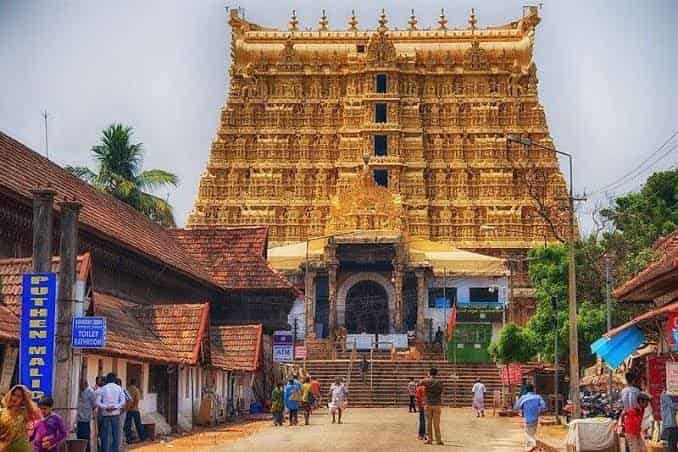
Quick Overview
| Detail | Information |
| Temple | Sree Padmanabhaswamy Temple |
| Deity | Lord Vishnu (Anantha Shayana / reclining form) |
| Location | East Fort, Thiruvananthapuram, Kerala |
| Entry Restriction | Hindus only — faith declaration required at gate |
| First Darshan (Nirmalya) | 3:15 AM – 4:15 AM |
| General Darshan | 8:30 AM – 10:00 AM (and other slots through the day) |
| Entry Fee (General) | Free |
| Special Darshan | ₹150 (without prasadam) / ₹180 (with prasadam) |
| Dress Code | Mandatory — dhoti/mundu for men, saree or salwar for women |
| Nearest Airport | Trivandrum International Airport (~6 km) |
| Nearest Railway Station | Thiruvananthapuram Central (~2 km) |
Temple Timings: Why the Schedule Matters More Here Than Anywhere Else
Padmanabhaswamy Temple doesn’t stay open continuously through the day — it operates in fixed slots, opening and closing repeatedly for internal rituals. Show up outside these windows and you’ll be waiting at the gate no matter how far you’ve travelled.
The full daily schedule runs roughly like this:
- Nirmalya Darshan (first darshan): 3:15 AM – 4:15 AM
- Special Darshan: 6:30 AM – 7:00 AM
- General Darshan: 8:30 AM – 10:00 AM
- Midday Darshan: 11:45 AM – 12:00 PM
- Evening Darshan: 5:00 PM – 6:15 PM
- Extended Darshan: 6:45 PM – 7:20 PM
- VIP Darshan: 8:30 PM – 9:00 PM
Nirmalya Darshan, the pre-dawn slot, is considered the most sacred moment of the day — it’s the first glimpse of the deity after the night’s rituals, and the crowd at 3:15 AM is genuinely thinner than at any other hour. If you can manage the early wake-up, this is the slot serious devotees specifically travel for.
Evening VIP darshan is the other standout option — cooler weather, calmer surroundings, and a noticeably lighter crowd compared to the morning rush.
One detail that catches people off guard: festival periods like Alpasi Utsavam (October–November) and Painkuni Utsavam (March–April) shift this schedule significantly, since the deity is taken out in procession during these events. If you’re visiting during these months, confirm the day’s timing before you plan around it.
Who Can Enter, and the Dress Code
This is the part that trips up the most visitors. Entry to Padmanabhaswamy Temple is restricted to Hindus only, and you’re required to declare your faith at the main entrance gate before being allowed inside. This isn’t a formality — it’s strictly enforced.
The dress code is equally non-negotiable:
For men: A traditional dhoti or mundu, ideally white. Shirts are not allowed inside — men enter bare-chested, sometimes with an angavastram (upper cloth) draped over the shoulder.
For women: A saree, set-mundu, or salwar kameez with a dupatta covering the shoulders. Sleeveless clothing, jeans, shorts, and mid-length skirts are not permitted under any circumstances.
Rental dhotis are available just outside the temple at affordable rates for men who arrive unprepared. Sarees are harder to rent on the spot, so women visitors are better off planning their outfit before arriving rather than hoping to sort it out at the gate.
Mobile phones, cameras, and any electronic devices must be deposited at the locker counter near the entrance — photography inside the temple complex is completely prohibited, and this rule is enforced strictly.
Darshan Ticket Types and Pricing
General darshan costs nothing, and this remains how most devotees experience the temple.
For a quicker, more guided visit, Special Darshan costs ₹150 without prasadam or ₹180 with prasadam — visitors who book this are taken directly to the sanctum sanctorum and typically complete their visit within 15–20 minutes, compared to what can otherwise be a much longer wait in the general queue.
VIP Darshan pricing varies across sources — some list it starting around ₹250 for two people, while others cite ₹500 per person. Given this inconsistency, it’s worth confirming the current rate directly through the official booking portal or at the temple counter before finalising your plans.
Booking process:
VIP and Special Darshan tickets can be booked online through the temple’s official booking site. You select your preferred date and slot, enter personal details along with a valid government ID, complete payment via UPI or card, and download a QR code ticket. Keep both a digital and printed copy handy, since connectivity near the temple’s narrow streets isn’t always reliable.
Location: Where Exactly Is the Temple?
Sree Padmanabhaswamy Temple sits in the East Fort area of Thiruvananthapuram, right in the heart of Kerala’s capital city. The city itself takes its name from the deity — Thiruvananthapuram literally translates to “the land of Sree Anantha Padmanabhaswamy.”
The temple sits inside a maze of narrow heritage streets that fill up quickly after sunrise, so if you’re driving yourself, expect the final stretch to slow down considerably compared to the rest of the city’s fairly well-planned roads.
How to Reach Sree Padmanabhaswamy Temple
By Air
Trivandrum International Airport is the nearest, just about 6 km from the temple. It’s one of Kerala’s busiest airports with strong domestic and international connectivity, making this genuinely one of the most accessible major temples in South India for air travellers.
By Rail
Thiruvananthapuram Central Railway Station is about 2 km away, connected to Chennai, Mumbai, Delhi, Kochi, and most major Indian cities. From the station, autos and taxis reach the temple within 10–15 minutes depending on traffic near the fort area.
By Road
The city is well connected via national and state highways, and KSRTC buses, private buses, taxis, and autorickshaws all run regularly to the East Fort area. Vizhinjam Bus Station, about 16 km away, is the nearest major bus stand for those arriving from the southern coast.
Frequently Asked Questions
Q1. I’m not Hindu but I’m travelling with Hindu friends — can I still enter with them?
No. Entry to the temple sanctum is restricted strictly to Hindus, and you’re required to declare your faith at the gate. This applies regardless of who you’re travelling with, so non-Hindu visitors typically explore the surrounding Kuthiramalika Palace and East Fort heritage area instead while their group does darshan.
Q2. I forgot to carry a dhoti — will I be turned away at the gate?
Not necessarily. Rental dhotis are available just outside the temple at reasonable rates specifically for this situation. Sarees for women are much harder to rent on the spot, though, so it’s genuinely safer to sort your outfit before you arrive rather than counting on rental availability.
Q3. Is the 3:15 AM Nirmalya Darshan actually worth waking up for, or is it more hype than substance?
If your goal is a genuinely peaceful, uncrowded darshan, it’s worth it — this slot sees far fewer visitors than any daytime session, and many devotees describe it as the most spiritually significant moment of the temple’s day. If you’re not up for the pre-dawn timing, the 8:30 PM VIP slot is the next best option for a calmer experience.
Q4. We’re visiting during Painkuni Utsavam — will the regular darshan timings still apply?
No, expect the schedule to shift during festival processions, since the deity is taken out of the sanctum for these events. Rather than planning around the standard slots listed here, check the temple’s current festival-day timing a day or two in advance so you’re not caught off guard.