 By Karan Singh
 Deep in the Western Ghats, on the banks of the Tunga River, sits the very place Adi Shankaracharya chose to establish his first and most significant matha over a thousand years ago. Sringeri isn’t just another Karnataka temple stop — it’s one of the four original peethams that shaped Hindu monastic tradition, a living institution where Vedic schools still function alongside daily worship. If you’re planning a visit, whether for the goddess Sharadamba’s blessing, a child’s Aksharabhyasam, or simply the chance to witness centuries of unbroken tradition, understanding how this temple actually operates will save you real confusion once you arrive.
Quick Overview
| Detail | Information |
| Temple | Sri Sharadamba Temple, Sringeri Sharada Peetham |
| Deity | Goddess Saraswati (as Sharadamba) |
| Location | Sringeri, Chikmagalur District, Karnataka |
| Daily Timings | 6:00 AM – 2:00 PM, 4:00 PM – 9:00 PM |
| General Darshan Fee | Free |
| Aksharabhyasam Seva | ₹250 |
| Nearest Railway Station | Udupi (~80 km) |
| Best Time to Visit | Morning (6:00–10:00 AM), evening (after 4:00 PM) |
Temple Timings: A Genuinely Long Daily Window
According to the official Sringeri Sharada Peetham website, the temple runs on a straightforward schedule on normal days: 6:00 AM to 2:00 PM in the morning, and 4:00 PM to 9:00 PM in the evening. This gives devotees a genuinely generous window compared to many South Indian temples with tighter, multi-block schedules.
That said, timings can shift during major festivals and special occasions, so it’s worth checking the temple’s official announcements if your visit coincides with events like Navaratri, Sharada Navratri, or Rathotsava, since these periods often bring extended hours.
Best time for a peaceful visit: Morning between 6:00 AM and 10:00 AM offers a pleasant, unhurried darshan experience, and evenings from 4:00 PM onward are equally calm. Weekday visits see noticeably lighter footfall than weekends — one visitor account specifically noted the rush picks up considerably on Saturdays and Sundays compared to a quiet weekday morning.
Darshan: Free Entry, No Ticket System for General Visitors
Sringeri Sharada Peetham operates without a paid darshan ticket for standard temple entry — general darshan of both Sharadamba Temple and the adjacent Vidya Shankara Temple remains free for every visitor. There’s currently no official online ticket portal for paid darshan the way some other major temples operate, so on-site coordination through the temple’s information office remains the standard approach for anything beyond a basic visit.
Jagadguru Darshan: Devotees can also have darshan of the presiding Jagadguru during scheduled mid-morning sessions, though exact availability varies with the acharya’s own schedule and travel commitments. On mornings when the senior Jagadguru is away from Sringeri, a brief darshan with the other Jagadguru is typically arranged, often around 12:00 to 12:30 PM.
Sevas Worth Knowing About
While most sevas at Sringeri work on a donation basis arranged directly at temple counters, a few have set, well-documented pricing and timings worth knowing in advance.
Aksharabhyasam, the ceremony marking a child’s first formal introduction to learning, costs around ₹250 and is genuinely one of the most sought-after rituals here, given Sharadamba’s role as the goddess of knowledge. Many parents specifically travel to Sringeri before sending children to school, seeking this blessing as the child’s symbolic first step into education. The seva runs from 8:00 AM to 1:00 PM, and while it’s performed nearly every day except Amavasya, it holds special significance on Lalita Panchami, Vijaya Dashami, Akshaya Tritiya, Moola Nakshatra days, and Thursdays. Arrive before noon to secure your slot.
Guru Pada Puja runs daily from 10:00 AM to 12:00 PM. This particular seva can currently only be booked offline at the temple counter — online booking for this specific ritual was discontinued by temple authorities, so plan to arrange it in person on arrival rather than assuming you can pre-book it from home.
For most other sevas and special poojas, the practical approach is registering and making the appropriate donation directly at the temple counters during their designated hours, or checking with the temple’s information office once you’re there.
Free Prasadam: Lunch and Dinner Timings
Sringeri follows the same generous meal tradition found at other major South Indian mathas. Lunch and dinner are served as prasada in the dining hall toward the back of the temple, with lunch running from 12:15 PM to 2:30 PM and dinner from 7:15 PM to 8:30 PM. For visitors who find it difficult to sit on the floor, table seating is also available — a thoughtful accommodation worth knowing about if you’re traveling with elderly family members.
Dress Code and Practical Facilities
Dress code: Men are required to remove their shirts before entering the Gurunivas area specifically, in keeping with traditional temple etiquette for this particular section of the complex.
Accessibility: A wheelchair facility is provided by the temple management for elderly visitors or anyone unable to walk comfortably — genuinely useful given how spread out the complex is across the riverside campus.
Conduct: Quiet, respectful behavior is expected throughout the temple grounds, given the ongoing religious and academic activities happening alongside regular darshan.
Weather: Sringeri sits in the Western Ghats, so winters can be cool and monsoon season quite wet. Carry water and appropriate clothing, especially if you’re walking between the different shrines and buildings within the complex.
What Makes Sringeri More Than Just a Temple
Understanding Sringeri’s broader identity genuinely enriches a visit here. Founded by Adi Shankaracharya in the 8th century, this became one of his four principal mathas (alongside Dwarka, Puri, and Jyotirmath), specifically the Dakshinamnaya Peetham. According to tradition, Shankaracharya was so struck by this location’s spiritual energy that he stayed here for twelve years, and the original sandalwood image of the goddess he installed was later replaced with a golden seated idol during the Vijayanagara period, which continues to be worshipped today.
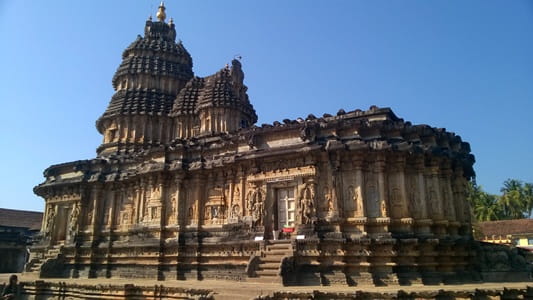
The complex houses two major temples — Vidya Shankara Temple, dedicated to Lord Shiva, and Sri Sharadamba Temple, dedicated to Goddess Saraswati — with architecture reflecting contributions from both the Hoysala and Vijayanagara periods. Beyond worship, Sringeri functions as a genuine living institution of learning, housing a library of Sanskrit texts, active Vedic schools, and pathashalas where students continue traditional Vedic education even today. The Peetham became a Mahasamsthanam in the 14th century under the influence of Jagadguru Sri Vidyanarayana, and its activities have since expanded into education, healthcare, and various charitable initiatives well beyond religious ritual alone.
Location: Where Exactly Is the Temple?
Sringeri Sharada Peetham sits on the banks of the Tunga River in Sringeri town, Chikmagalur District, Karnataka, nestled within the lush greenery of the Western Ghats. The riverside setting adds a genuinely calming dimension to the visit — many travelers mention feeding the large fish that gather near the temple’s riverbank as a memorable, peaceful part of their trip.
How to Reach Sringeri Sharada Peetham
By Road
Sringeri is well connected by state highways to major Karnataka cities including Bangalore, Mangalore, Udupi, Shimoga, and Chikmagalur, with regular KSRTC buses and private coaches serving these routes. If you’re relying on public buses specifically, plan carefully — the last bus out of Sringeri typically departs around 3:00 PM, so factor this into your return journey if you’re not staying overnight.
By Rail
The nearest railway station is generally cited as Udupi, roughly 80 km away, about a 2-hour drive. From there, taxis and buses connect onward to Sringeri.
By Air
Given Sringeri’s Western Ghats location, most travelers combine air travel with a substantial road journey — flying into Mangalore or Bangalore and continuing by road or connecting bus service.
Frequently Asked Questions
Q1. We want to do our child’s Aksharabhyasam specifically on a Thursday — do we need to book this in advance?
Given how popular this seva is, especially on significant days like Thursdays, Lalita Panchami, or Akshaya Tritiya, it’s genuinely worth arriving before noon to secure your slot within the 8:00 AM–1:00 PM window rather than assuming walk-in availability closer to the cutoff. Since online booking isn’t standard for most Sringeri sevas, plan to register directly at the temple counter on arrival.
Q2. We’re relying on public buses and worried about getting stuck — what’s the safest way to plan our day trip?
Since the last bus out of Sringeri typically leaves around 3:00 PM, plan your entire visit — darshan, sevas, and any sightseeing — to wrap up well before this cutoff if you’re depending on public transport rather than a private vehicle or taxi. Missing this last bus means arranging alternate transport late in the day, which can be genuinely difficult in this relatively remote Western Ghats location.
Q3. Is it possible to get darshan of the Jagadguru, or is that reserved for special occasions only?
Yes, scheduled Jagadguru darshan sessions do happen during mid-morning hours on most days, though exact timing depends on the acharya’s own schedule and travel commitments. If the senior Jagadguru happens to be away from Sringeri during your visit, a brief alternate darshan is typically still arranged around midday, so it’s worth checking with the temple office on arrival rather than assuming you’ll miss this entirely.
Q4. We have elderly parents who can’t walk long distances between the different shrines — what accommodations does the temple offer?
The temple management provides a wheelchair facility specifically for elderly or mobility-limited visitors, which genuinely helps given how spread out the Sringeri complex is across its riverside campus. It’s also worth requesting table seating in the dining hall for meals, since floor seating is the default and table options are available specifically for those who find it difficult to sit that way.